
Slideshow Items

  • Arm & Hand
  • orthopedic-supports-braces/arm-hand
  • Orthopedic Supports & Braces
  • orthopedic-supports-braces
MedSpec

  |  

TriFib Wrist Support for TFCC Injuries

C$47.99
In stock online
In store: Check availability

Available in store

SKU: 223911

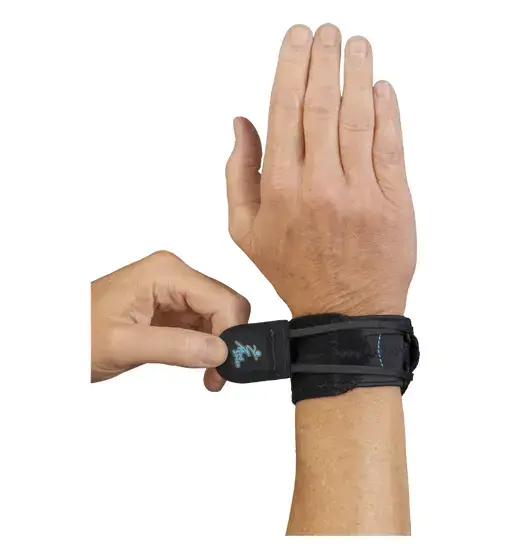
The TriFib Wrist Support for TFCC Injuries provides wrist stabilization and support for users managing ulnar-sided wrist discomfort or TFCC-related support needs.

    • Why Choose the TriFib Wrist Support – For TFCC Injuries

      The TriFib Wrist Support is designed to help support the wrist during daily activities, recovery routines, or prescribed bracing use. It provides targeted support for the wrist area while helping limit movements that may aggravate TFCC-related discomfort when used as directed by a healthcare professional — a brace aimed at the wrist's most specific complaint.

      Key Features

      ✔ TriFib wrist support

      ✔ Designed for TFCC injury support

      ✔ Supports the wrist and ulnar side area

      ✔ Practical for daily activity support

      ✔ Helps provide wrist stabilization

      ✔ Suitable for recovery or rehabilitation routines

      ✔ Useful for work, sport, and home care use where appropriate

      ✔ Adjustable brace-style support

      ✔ Medical-style orthopedic support product

      Benefits

      ✔ Helps support the wrist during movement

      ✔ May help reduce strain on the TFCC area when properly fitted

      ✔ Provides targeted support without fully immobilizing the hand

      ✔ Practical for users with wrist instability or discomfort

      ✔ Useful during recovery, work tasks, or daily routines

      ✔ Adjustable design supports a more secure fit

      ✔ Helps promote confidence during approved activities

      Usage/Application

      Ideal for TFCC injury support, ulnar-sided wrist discomfort, wrist stabilization, recovery routines, sport or work-related wrist support, rehabilitation care, and users who need a TriFib wrist brace for targeted wrist support. The TFCC — the triangular fibrocartilage complex on the wrist's pinky side — is the small structure behind a distinctive pattern of trouble: ulnar-sided pain that flares with rotation and load, the doorknob turn, the push-up from a chair, the racquet swing and the fall onto an outstretched hand that started it — and TFCC-specific bracing exists because generic wrist splints answer the wrong question, immobilizing broadly where the TFCC wants targeted support that steadies the ulnar side and tempers the aggravating rotations while leaving the hand functional for the daily tasks recovery still contains. That specificity is exactly why this brace belongs inside a diagnosis: ulnar-sided wrist pain has several causes a healthcare provider or hand therapist distinguishes — TFCC injury among them — and the brace serves the assessed condition per the professional's direction on wear time, activity limits, and the rehabilitation plan it supports, with fit set per the product's sizing and adjustment instructions: snug for working stabilization, positioned so the support elements sit where the design intends, and never tight enough to press on circulation or nerve lines, with tingling into the fingers meaning readjust and, if it persists, call the provider. Wear it for the activities and durations the plan sets, pair it with the therapy exercises and load management that treat the injury while the brace protects it, wash per the product's care instructions to keep the fit honest, and route the escalations promptly: pain that worsens, clicking with locking, numbness, or a recovery stalled past the plan's timeline goes back to the provider — the TFCC being a structure where the right support and the right follow-up together are what return the wrist to the tasks that need it.

    • No reviews yet

      Add yours

    Testimonials from Google

    See all reviews

    Your cart — 0

    You cart is currently empty

    Login

    By using our website, you agree to the use of cookies. These cookies help us understand how customers arrive at and use our site and help us make improvements. Hide this message More on cookies »