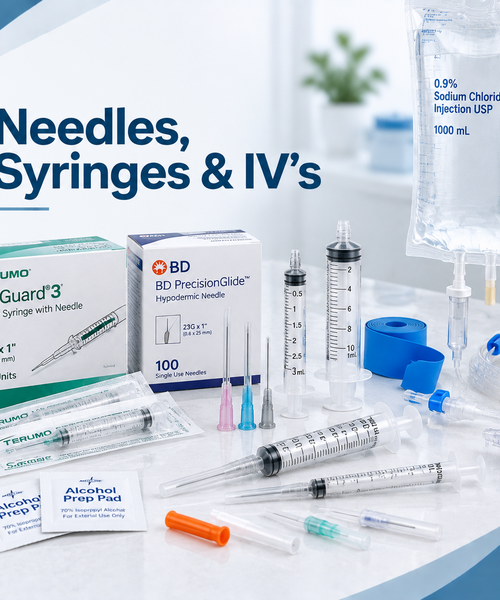

Why 18G × 1.5" Blunt Tip for Safe Vial Access and Rapid Medication Preparation
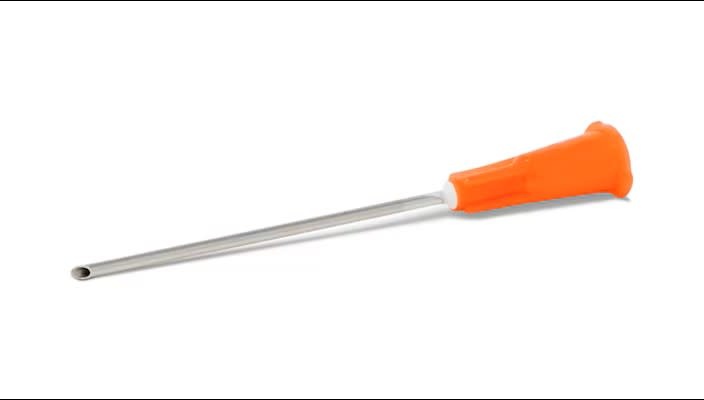
The blunt, non-coring tip design eliminates the sharp beveled edge of standard hypodermic needles, preventing accidental needlestick injuries to healthcare workers during the medication preparation process—needlestick injuries account for thousands of healthcare worker exposures annually to bloodborne pathogens, and blunt fill needles significantly reduce this occupational hazard during the high-risk vial access and medication preparation stages. The 18-gauge diameter (1.3mm outer diameter) provides wide-bore construction that enables rapid fluid withdrawal from vials and IV bags, critical for efficient preparation of multiple doses, reconstitution of lyophilized medications requiring substantial diluent volumes, and time-sensitive medication preparation in emergency situations where every second matters. The 1.5-inch (38mm) length ensures adequate reach into medication vials of varying sizes, IV solution bags, and reconstitution bottles while providing sufficient length for comfortable handling and precise control during fluid transfer without the coring or rubber particulate generation that can occur with standard sharp needles repeatedly penetrating vial stoppers.
Key Features & Benefits
Key Features:
- 18-gauge (18G) wide-bore diameter for rapid fluid flow
- 1.5-inch (38mm) length for deep vial and bag access
- Blunt, non-coring tip prevents needlestick injuries
- NOT FOR INJECTION—vial access only (clearly labeled)
- Rounded tip design reduces rubber coring from stoppers
- Filter needle compatible (product dependent)
- Sterile, individually packaged
- Luer Lock connection for secure syringe attachment
- Color-coded hub (typically pink for 18G per ISO standards)
- Transparent or translucent hub for fluid visualization
- Stainless steel cannula construction
- Single-use, disposable design
- Latex-free construction for allergy safety
- Manufactured by BD (trusted global medical device leader)
- Meets USP and ISO quality standards
- Clear "NOT FOR SKIN" or similar labeling
Benefits:
- Blunt tip eliminates needlestick injury risk during preparation
- Wide 18G bore enables rapid fluid withdrawal
- Fast medication preparation saves clinical time
- Long length reaches bottom of vials and bags
- Reduces rubber particulate generation (non-coring design)
- Secure Luer Lock prevents disconnection during transfer
- Sterile packaging ensures medication safety
- Color-coded hub enables quick gauge identification
- Clear hub allows fluid visualization
- Single-use prevents cross-contamination
- Latex-free protects sensitive healthcare workers
- Reliable BD quality with consistent performance
- Cost-effective for routine medication preparation
Clinical Applications
BD Blunt Fill Needles 18G × 1.5" are appropriate for:
✓ Drawing medications from multi-dose vials ✓ Drawing from single-dose vials ✓ Reconstituting lyophilized (powdered) medications ✓ Withdrawing solutions from IV bags ✓ Transferring fluids between containers ✓ Drawing large volumes efficiently (>5 mL) ✓ Preparing chemotherapy medications (with appropriate precautions) ✓ Mixing medications in syringes ✓ Drawing viscous solutions requiring wide bore ✓ Emergency medication preparation requiring speed ✓ Pharmacy compounding and preparation ✓ Preparing multiple doses from vials ✓ Drawing contrast media for imaging ✓ Laboratory reagent preparation ✓ Anesthesia medication preparation ✓ Preparing irrigation solutions ✓ Any vial access where needlestick prevention important
Usage & Application
CRITICAL SAFETY WARNING:
BLUNT FILL NEEDLES ARE NOT FOR INJECTION
- DO NOT use for injections into patients
- DO NOT attempt to penetrate skin with blunt needle
- Use ONLY for drawing from vials and bags
- ALWAYS replace with sharp needle before patient injection
- Clearly labeled "NOT FOR SKIN" or similar warning
Pre-Use Preparation:
- Verify appropriate application:
- Blunt fill needles for vial access ONLY
- NOT for patient injection
- Confirm drawing from vial or bag (not for other uses)
- Assess gauge-length appropriateness:
- 18G advantages:
- Rapid fluid withdrawal (wide bore)
- Efficient for large volumes
- Good for viscous solutions
- 1.5" length appropriate for:
- Deep vials
- IV bags
- Large medication bottles
- Reconstitution bottles
- Gather supplies:
- BD Blunt Fill Needle 18G × 1.5"
- Appropriate syringe (Luer Lock preferred)
- Medication vial or IV bag
- Alcohol swabs
- Sharp needle for injection (if medication will be injected)
- Gauze pads
- Sharps container
- Hand hygiene:
- Wash hands thoroughly
- Don clean gloves per facility protocol
- Inspect needle package:
- Check package integrity
- Verify expiration date
- Ensure sterile seal intact
- Read labeling—confirm "blunt fill" or "NOT FOR SKIN"
- Discard if compromised
Attaching Blunt Fill Needle to Syringe:
- Remove syringe tip cap:
- Twist or pull off protective cap
- Maintain sterility of syringe tip
- Remove blunt needle from package:
- Open sterile package
- Grasp needle hub (not cannula)
- Avoid contaminating needle or hub
- Attach to syringe (Luer Lock):
- Align needle hub threads with syringe tip
- Push gently while twisting clockwise
- Twist until firmly seated
- Verify secure connection with gentle tug
- Remove needle shield:
- Pull straight off shield
- Note blunt, rounded tip (no sharp point)
- Set shield aside if needed for safety
Drawing Medication from Vial:
- Calculate volume needed:
- Verify medication order and dose
- Calculate total volume to withdraw
- Add extra if priming needle needed
- Prepare vial:
- Check medication name, concentration, expiration
- Remove flip-top cap or protective cover
- Clean rubber stopper with alcohol swab
- Allow to dry completely (30 seconds)
- Draw air into syringe:
- Pull plunger to draw air equal to withdrawal volume
- Equalizes vial pressure for easier withdrawal
- Insert blunt needle into vial:
- Hold vial firmly on flat surface
- Push blunt needle through rubber stopper
- Blunt tip requires slightly more pressure than sharp needle
- Push straight through—don't angle
- Blunt design minimizes rubber coring
- Inject air into vial:
- Depress plunger to inject air
- Creates positive pressure in vial
- Makes fluid withdrawal easier
- Invert vial:
- Turn vial upside down
- Keep needle tip below fluid level
- Hold syringe at eye level for accuracy
- Withdraw medication:
- Pull plunger slowly and steadily
- 18G wide bore allows rapid withdrawal
- Draw slightly more than needed dose
- Watch graduations carefully
- Remove air bubbles:
- Tap barrel to float bubbles to top
- Push plunger gently to expel air through needle
- May need to draw more medication after expelling air
- Verify dose:
- Hold at eye level
- Read volume at plunger tip
- Adjust to exact dose needed
- Remove blunt needle from vial:
- Withdraw needle from stopper
- CRITICAL: Replace blunt needle with sharp needle before injection
- Blunt needle CANNOT penetrate skin
Reconstituting Powdered Medications:
- Gather supplies:
- Powdered medication vial
- Appropriate diluent (sterile water, saline, etc.)
- Blunt fill needle for drawing diluent
- Blunt fill needle for drawing reconstituted medication (or same needle)
- Sharp needle for patient injection
- Draw diluent:
- Use blunt fill needle technique above
- Draw prescribed diluent volume into syringe
- Add diluent to powder:
- Clean stopper of medication vial
- Insert blunt needle through stopper
- Inject diluent slowly down side of vial (not directly onto powder)
- This prevents foaming
- Mix medication:
- Remove needle from vial
- Swirl vial gently (don't shake vigorously unless directed)
- Allow foam to settle if present
- Ensure powder completely dissolved
- Check for particles or discoloration
- Withdraw reconstituted medication:
- Clean stopper again with alcohol
- Insert blunt needle (may use same or new)
- Follow withdrawal technique above
- Draw prescribed dose
- Replace with sharp needle:
- Remove blunt fill needle
- Attach appropriate sharp needle for injection route
- Verify needle secure before injection
Drawing from IV Bag:
- Prepare IV bag:
- Check solution, concentration, expiration
- Close clamp on IV tubing (if attached)
- Clean injection port with alcohol
- Insert blunt needle:
- Push blunt needle through rubber injection port
- Blunt design safe for accessing bags
- Long 1.5" length reaches into bag easily
- Position bag:
- Hang bag or hold upright
- Keep needle tip in solution
- Withdraw solution:
- Pull plunger to draw desired volume
- 18G enables rapid withdrawal even from bags
- Remove needle:
- Withdraw blunt needle from port
- Proceed with medication preparation
Replacing Blunt Needle with Sharp Needle:
CRITICAL STEP—NEVER INJECT WITH BLUNT NEEDLE
- Remove blunt fill needle:
- Twist counterclockwise to detach (Luer Lock)
- Place immediately in sharps container
- Do NOT recap blunt needle
- Attach sharp needle:
- Select appropriate gauge and length for injection route
- Attach to syringe using Luer Lock technique
- Twist clockwise until secure
- Remove needle shield
- Prime needle (remove air):
- Hold syringe upright
- Tap to move bubbles up
- Push plunger gently to expel air
- Small amount of medication will be expelled
- Stop when drop appears at needle tip
- Proceed with injection:
- Follow appropriate injection technique for route
- IM, SubQ, IV, etc.
Post-Use Disposal:
- Dispose of blunt needle:
- Place in sharps container immediately after removal
- Even though blunt, still dispose in sharps (not regular trash)
- Never leave blunt needle lying around
- Dispose of sharp needle after injection:
- Place in sharps container
- Do not recap
- Remove gloves and hand hygiene
- Document as required
Storage:
- Store at room temperature 15-30°C (59-86°F)
- Keep in original packaging until use
- Protect from moisture and contamination
- Store in clean, dry area
- Check expiration dates regularly
- Rotate stock using FIFO
Troubleshooting:
Blunt needle won't penetrate rubber stopper:
- Apply more pressure—blunt tip requires more force
- Push straight, not at angle
- Rubber stopper may be very thick
- Old, dried stoppers harder to penetrate
- Try different vial if stopper damaged
Rubber particles visible in solution:
- Blunt design reduces but doesn't eliminate coring
- Multiple punctures increase coring risk
- Use filter needle if particles present
- Do NOT administer medication with visible particles
- May need to draw from new vial
Slow fluid withdrawal despite wide bore:
- Vial may have vacuum (negative pressure)
- Inject more air into vial
- Check needle not clogged
- Ensure needle fully inserted into vial
Medication foaming during reconstitution:
- Injected diluent too rapidly
- Inject slowly down side of vial (not onto powder)
- Allow foam to settle before withdrawing
- Some medications prone to foaming (proteins)
Cannot attach blunt needle to syringe:
- Verify Luer Lock compatibility
- Check for damaged threads
- May be using Luer Slip syringe with Luer Lock needle
- Try different syringe
Blunt needle leaking or loose:
- Not tightened adequately during attachment
- Twist more firmly clockwise
- Check for damaged threads
- Replace if defective
Special Considerations:
Chemotherapy preparation:
- Use closed system drug transfer devices (CSTD) when available
- Blunt fill needles reduce needlestick risk during chemo prep
- Still use appropriate PPE (gown, double gloves, face shield)
- Prepare in designated area (biological safety cabinet)
- Follow facility chemotherapy handling protocols
- Use chemo-specific disposal containers
Hazardous medications:
- Blunt fill needles recommended for hazardous drug preparation
- Reduces needlestick exposure risk
- Use in conjunction with other safety measures
- Follow USP <800> guidelines for hazardous drugs
Multi-dose vials:
- Clean stopper with alcohol before EACH access
- Blunt needle reduces needlestick risk with frequent access
- Label vial with date opened, expiration
- Discard multi-dose vials per facility protocol (typically 28 days)
Vaccine preparation:
- Most vaccines in single-dose vials (don't require blunt needle)
- Multi-dose vaccine vials may benefit from blunt needle for safety
- Always replace with sharp needle before vaccination
Pediatric dosing:
- Blunt fill needles excellent for drawing precise pediatric doses
- Wide bore allows accurate withdrawal
- Replace with appropriate pediatric needle before injection
Pharmacy compounding:
- Blunt fill needles standard for IV admixture preparation
- Reduces needlestick risk during high-volume compounding
- Use aseptic technique in laminar flow hood
Emergency medications:
- 18G blunt fill enables rapid preparation in emergencies
- Keep in crash carts with syringes
- Remember to attach sharp needle before administration
Filter needles:
- Some blunt fill needles have filters
- Use filter needles for drawing from ampules (glass particles)
- Use for medications prone to particulate matter
- Do NOT inject through filter needle—replace with sharp needle
Infection Control:
- Maintain aseptic technique throughout preparation
- Clean vial stoppers before EACH access
- Never reuse blunt fill needles
- One vial access per needle (even if drawing multiple times)
- Discard if sterility compromised
- Don't touch needle cannula or tip
When NOT to Use:
DO NOT use blunt fill needles for:
- Patient injections (skin penetration)
- Accessing ports designed for sharp needles only
- Drawing from ampules (use regular needle or filter needle)
- Any situation requiring tissue penetration
Needlestick Prevention Benefits:
Blunt fill needles significantly reduce risk during:
- Medication preparation (high-risk activity)
- Accessing multi-dose vials multiple times
- Drawing large volumes (repeated handling)
- Pharmacy compounding (high-volume work)
- Training new staff (blunt safer for learning)
Statistics:
- Needlestick injuries during medication preparation significantly reduced with blunt needles
- Most needlesticks occur during preparation, not administration
- Blunt fill needles key component of needlestick prevention program
Comparison to Alternatives:
Blunt Fill vs. Sharp Needle for Vial Access:
- Blunt: No needlestick risk, slightly slower penetration
- Sharp: Faster penetration, needlestick injury risk
Blunt Fill vs. Vial Access Cannula:
- Blunt Fill: Single-use, inexpensive, sterile
- Cannula: Reusable on same vial, more expensive per unit
Blunt Fill vs. Closed System Transfer Device (CSTD):
- Blunt Fill: Good for routine medications, lower cost
- CSTD: Required for hazardous drugs, more expensive, completely closed system
When to Contact Healthcare Provider or Supplier:
- Needlestick injury occurs (even with blunt needle)
- Questions about appropriate needle selection
- Concerns about medication particulate matter
- Need for specialized transfer devices
- Product defects or quality concerns
Regulatory Compliance:
- Meets OSHA Bloodborne Pathogens Standard requirements
- Part of comprehensive needlestick prevention program
- FDA-cleared medical device
- Manufactured to ISO 7864 standards (sterile needles)
- Meets USP standards for safety
Technical Specifications
Product Details:
- Manufacturer: BD (Becton, Dickinson and Company)
- Product Type: Blunt fill needle (NOT for injection)
- Needle Gauge: 18G (1.3mm outer diameter, 0.84mm inner diameter typical)
- Needle Length: 1.5 inches (1½", 38mm)
- Tip Design: Blunt, non-coring, rounded tip (NOT sharp)
- Cannula Material: Stainless steel
- Hub Color: Pink (per ISO 6009 color coding for 18G)
- Hub Material: Medical-grade polypropylene
- Hub Type: Transparent or translucent
- Connection Type: Luer Lock (threaded)
- Filter: Some models include filter (product dependent)
- Needle Shield: Protective shield maintains sterility
- Sterility: Sterile until opened
- Sterilization Method: Ethylene oxide (EtO) or gamma radiation
- Latex Content: Latex-free (no natural rubber latex)
- Labeling: Clearly marked "NOT FOR SKIN" or "NOT FOR INJECTION"
- Expiration: Typically 5 years from manufacture
- Packaging: Individually packaged in peel-open pouches
- Box Quantity: Varies (typically 50-100 per box)
- Intended Use: Vial access and medication preparation ONLY
- NOT Intended For: Patient injection, skin penetration
- Regulatory Status: FDA-cleared medical device, Class II
- Standards Compliance:
- ISO 7864 (sterile hypodermic single-use needles)
- OSHA Bloodborne Pathogens Standard
- Needlestick Safety and Prevention Act compliant
- Country of Origin: Varies by manufacturing facility