
Why 5 mL Capacity with Luer Lock for Versatile Clinical Applications
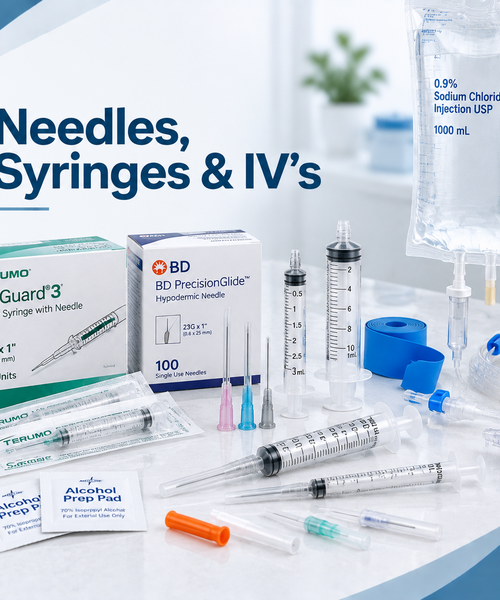
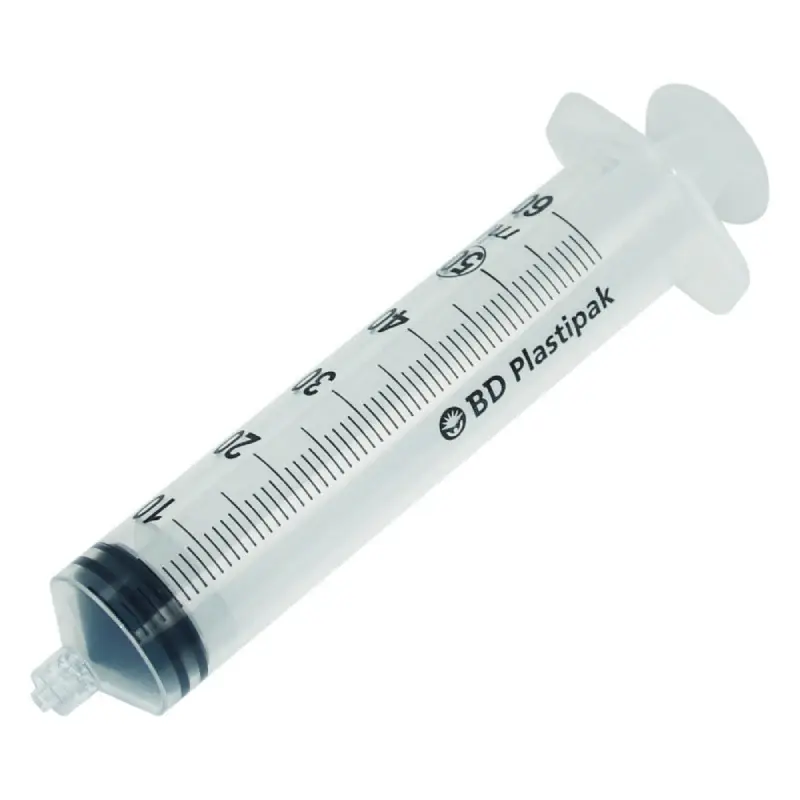
The 5 mL barrel capacity represents the optimal size for most routine medication administration—large enough to accommodate standard drug doses, IV flush volumes, and vaccine preparations while remaining compact enough for comfortable single-handed operation and precise plunger control during injections. The Luer Lock threaded tip connection provides mechanical security that prevents needle or accessory detachment during high-pressure injections, patient movement, or inadvertent pulling—critical for IV push medications, arterial blood gas sampling, contrast media administration, and any procedure where accidental disconnection would compromise patient safety or sterility. Clear graduated barrel markings at 0.2 mL increments enable accurate dose measurement for weight-based pediatric dosing, titrated medication administration, and precise fluid delivery where dosing errors could cause adverse effects, while the transparent construction allows immediate visual verification of medication clarity, air bubble presence, and complete dose delivery.
Key Features & Benefits
Key Features:
- 5 mL barrel capacity for versatile medication volumes
- Luer Lock threaded tip for secure needle attachment
- Clear transparent barrel for fluid visualization
- Graduated markings at 0.2 mL increments (typically 0.5 mL bold marks)
- Smooth-gliding plunger for controlled fluid delivery
- Latex-free construction for allergy safety
- Sterile, individually packaged
- Positive plunger stop prevents accidental plunger removal
- Bold graduation numbers for easy reading
- Retaining ring holds plunger in barrel
- Compatible with all Luer Lock needles and accessories
- Medical-grade polypropylene or polyethylene construction
- Single-use, disposable design
- Manufactured by BD (trusted global medical device leader)
- Meets USP and ISO international quality standards
Benefits:
- Optimal size for most routine injections and procedures
- Luer Lock prevents accidental needle disconnection
- Threaded connection enables higher-pressure injections
- Clear barrel allows air bubble detection and medication verification
- Precise graduations support accurate dosing
- Smooth plunger operation enables controlled injection speed
- Latex-free protects sensitive patients and healthcare workers
- Sterile packaging ensures infection control
- Positive stop prevents dose errors from plunger removal
- Universal Luer Lock compatibility with needles and accessories
- Reliable BD quality with consistent performance
- Single-use design prevents cross-contamination
- Cost-effective for routine clinical use
Clinical Applications
BD 5 mL Luer Lock Syringes are appropriate for:
✓ Intramuscular injections (vaccines, antibiotics, medications) ✓ Subcutaneous injections (insulin, anticoagulants, biologics) ✓ Intravenous push medications ✓ IV line flushing with saline or heparin ✓ Drawing medications from vials ✓ Medication reconstitution and mixing ✓ Blood sample collection for arterial blood gases (ABG) ✓ Vaccine administration (most vaccines 0.5-1 mL) ✓ Local anesthetic administration ✓ Contrast media injection for imaging ✓ Irrigation of wounds or body cavities (small volumes) ✓ Feeding tube medication administration ✓ Catheter flushing and maintenance ✓ Laboratory specimen preparation ✓ Aspiration of small fluid collections ✓ Medication preparation and transfer ✓ Pediatric medication administration (weight-based dosing) ✓ Emergency medication delivery
Usage & Application
Pre-Use Preparation:
- Verify clinical indication:
- Confirm medication order, dose, route
- Check patient allergies
- Perform "5 Rights" verification
- Assess syringe size appropriateness:
- 5 mL appropriate for:
- Most IM injections (typical volume 1-3 mL)
- SubQ injections up to 2 mL
- IV push medications
- IV line flushing (3-10 mL saline)
- Vaccine administration
- Consider different size if:
- Dose >4 mL (use 10 mL syringe)
- Dose <1 mL and precision critical (use 1 or 3 mL syringe)
- High-alert medication requiring smaller syringe (insulin, heparin)
- Gather supplies:
- BD 5 mL Luer Lock syringe
- Appropriate Luer Lock needle
- Medication
- Alcohol swabs
- Clean gloves
- Gauze pads
- Sharps container
- Hand hygiene and don gloves
- Inspect syringe package:
- Check package integrity
- Verify expiration date
- Ensure sterile seal intact
- Discard if compromised
Opening Syringe Package:
- Peel open package:
- Grasp both sides of peel-open package
- Pull apart to expose syringe
- Do NOT touch syringe tip (maintain sterility)
- Remove syringe:
- Grasp barrel firmly
- Avoid touching tip or plunger
- Keep tip cap in place until ready to attach needle
Attaching Luer Lock Needle:
- Remove tip cap:
- Twist or pull off protective cap
- Place cap in clean area if needed for later
- Align needle hub with syringe tip:
- Hold syringe barrel in one hand
- Hold needle hub (not needle itself) in other hand
- Align threads
- Twist clockwise:
- Rotate needle hub clockwise while pushing gently
- Feel for resistance when threads engage
- Continue twisting until firmly seated
- Typically requires 1/4 to 1/2 turn
- Verify secure connection:
- Gentle tug on needle hub
- Should NOT come off
- If loose, twist more until tight
- Remove needle shield:
- Pull straight off (do not twist)
- Discard shield or save for recapping (one-handed technique)
Drawing Medication from Vial:
- Calculate dose needed:
- Read order carefully
- Calculate volume required
- Add small extra for priming (if needed)
- Prepare vial:
- Check medication name, concentration, expiration
- Remove protective cap
- Clean rubber stopper with alcohol swab
- Allow to dry
- Draw air into syringe:
- Pull plunger to draw air equal to medication volume
- This equalizes pressure in vial
- Insert needle into vial:
- Hold vial firmly on flat surface
- Insert needle through rubber stopper
- Bevel up for easier penetration
- Inject air into vial:
- Push plunger to inject air into vial
- This creates positive pressure for easier withdrawal
- Invert vial:
- Turn vial upside down
- Keep needle tip below fluid level
- Withdraw medication:
- Pull plunger slowly and steadily
- Draw slightly more than needed dose
- Watch graduations carefully
- Remove air bubbles:
- Tap barrel to move bubbles to top
- Push plunger gently to expel air
- May need to draw more medication after expelling air
- Verify dose:
- Hold syringe at eye level
- Check volume at plunger tip (not plunger top)
- Adjust to exact dose
- Remove needle from vial:
- Withdraw needle
- Replace needle before injection (vial puncture dulls needle)
Drawing from Ampule:
- Prepare ampule:
- Tap top to move fluid to bottom
- Clean neck with alcohol
- Break ampule away from body
- Draw medication:
- Insert needle into ampule
- Tip ampule to keep needle in fluid
- Draw medication
- Remove air bubbles:
- Tap barrel, expel air
- Verify dose
- ALWAYS replace needle:
- Glass particles can contaminate medication
- Use new needle for injection
Administering Injection:
See specific injection technique guides for:
- Intramuscular: 90-degree angle, full needle insertion
- Subcutaneous: 45-90 degrees depending on body habitus
- Intravenous: Per IV access protocol
General technique:
- Verify correct site
- Clean with alcohol, allow to dry
- Insert needle at appropriate angle
- Aspirate if required by protocol
- Inject slowly and steadily
- Withdraw needle and apply pressure
IV Line Flushing:
- Prepare flush:
- Draw normal saline into 5 mL syringe
- Typical flush volume: 3-10 mL
- Remove air bubbles
- Clean IV port:
- Scrub hub with alcohol for 15 seconds
- Allow to dry
- Attach syringe:
- Twist Luer Lock syringe onto IV port
- Ensure secure connection
- Flush:
- Inject saline slowly and steadily
- Watch for infiltration signs
- Use push-pause technique (turbulent flow more effective)
- Maintain positive pressure:
- Clamp IV line while still injecting (last 0.5 mL)
- Or use positive pressure caps
- Prevents blood backflow
- Disconnect syringe:
- Twist counterclockwise to remove
Reconstituting Medications:
- Draw diluent:
- Use sterile water or saline per drug instructions
- Draw prescribed volume into syringe
- Add to medication vial:
- Insert needle into medication vial
- Inject diluent slowly
- May need to vent vial
- Mix:
- Swirl gently (don't shake if protein-based)
- Ensure complete dissolution
- Withdraw dose:
- Follow drawing from vial technique above
Post-Use Care:
- Do not recap needle:
- Use one-handed scoop if recapping absolutely necessary
- Preferably do not recap at all
- Dispose immediately:
- Place entire needle-syringe assembly in sharps container
- Do NOT separate needle from syringe
- Never set down used needle-syringe
- Remove gloves and hand hygiene
- Document:
- Medication, dose, route, site, time
- Patient response
- Lot number if required
Reading Syringe Graduations:
- Hold at eye level:
- Position syringe horizontally at eye level
- Avoid parallax error (reading from angle)
- Read at plunger tip:
- Measure at leading edge of plunger (tip closest to needle)
- NOT at top of plunger
- Understand markings:
- Bold lines typically every 0.5 or 1 mL
- Fine lines every 0.2 mL
- Can estimate between lines to 0.1 mL
- Verify measurement:
- Double-check reading
- Especially important for high-alert medications
Storage:
- Store at room temperature 15-30°C (59-86°F)
- Keep in original packaging until use
- Protect from direct sunlight and heat
- Store in clean, dry area
- Check expiration dates regularly
- Rotate stock using FIFO
Troubleshooting:
Needle won't attach:
- Verify both are Luer Lock (not mixing Lock with Slip)
- Check for damaged threads
- Ensure proper alignment before twisting
- May have cross-threaded—start over
Needle comes loose during use:
- Didn't twist tightly enough during attachment
- Twist more firmly until secure
- Check for damaged threads
Plunger difficult to move:
- May have manufacturing defect
- Discard and use new syringe
- Don't force—can break plunger
Plunger pulls out of barrel:
- Positive plunger stop should prevent this
- If occurs, syringe defective
- Discard and use new syringe
Can't read graduations:
- Ensure adequate lighting
- Hold at eye level
- Clean barrel if dirty
- May need reading glasses
Air bubbles won't come out:
- Tap barrel more firmly
- Hold vertical with needle up
- Flick barrel sharply with finger
- Draw in small amount of air, expel forcefully
Medication leaking from syringe:
- Check Luer Lock connection tight
- Needle may not be fully seated
- Plunger may be loose
- Replace syringe if leaking from barrel
Special Considerations:
High-alert medications:
- Use smallest appropriate syringe for dose
- 5 mL may be too large for insulin or heparin
- Consider 1 mL or 3 mL for better precision
- Double-check dose before administration
Pediatric dosing:
- 5 mL appropriate for most pediatric doses
- Weight-based calculations require precision
- Consider smaller syringe (1-3 mL) for doses <1 mL
- Always verify dose with second person
IV push medications:
- Luer Lock essential for secure connection
- 5 mL good size for most IV push drugs
- Inject at prescribed rate
- Watch for signs of infiltration
Flushing protocols:
- Pre-flush: Verify patency before medication
- Post-flush: Clear medication from line
- Saline-Anticoagulant-Saline (SAS) for some lines
- Use 5 mL or larger syringe (reduces pressure)
Contrast media injection:
- Luer Lock required for power injectors
- May need larger syringe for contrast volumes
- Verify syringe rated for power injection if applicable
Blood gas sampling:
- Luer Lock prevents disconnection during sampling
- Heparinized syringe typically used
- Expel air bubbles immediately (affects results)
- Transport on ice per protocol
Mixing medications:
- Use aseptic technique
- Compatible medications only
- Draw more soluble drug first
- Label mixed medication immediately
Infection Control:
- Never reuse syringes
- Never share between patients
- Use new syringe for each medication
- Don't enter medication vials with used syringe
- Maintain sterility of tip and plunger
- Single-use only—discard after one use
When NOT to Use:
- Do NOT use for:
- Insulin (use insulin syringes with permanent needles)
- Tuberculin testing (use tuberculin syringe)
- Oral medications (use oral syringes—different tip)
- Enteral feeding without adapter (risk of IV administration)
- Not appropriate for:
- High-volume injections (>4 mL dose—use 10 mL)
- Procedures requiring specialized syringes
Luer Lock vs. Luer Slip:
Luer Lock advantages:
- Secure threaded connection
- Won't disconnect accidentally
- Better for high-pressure injections
- Required for some procedures (ABG, contrast)
- Preferred for IV push medications
Luer Slip advantages:
- Faster to attach/remove
- Adequate for routine IM/SubQ
- Less expensive
When Luer Lock required:
- IV push medications
- High-pressure injections
- Arterial blood gas sampling
- Contrast media administration
- Any situation where disconnection dangerous
When to Contact Healthcare Provider or Supplier:
- Syringe defects noted (leaking, broken)
- Sterile package compromised
- Questions about appropriate syringe selection
- Medication administration concerns
- Need for specialized syringes
Quality Standards:
- Manufactured to ISO 7886 standards (sterile syringes)
- Meets USP requirements
- FDA-registered device
- Sterile via validated sterilization process
- Non-pyrogenic
- Latex-free for patient safety
Technical Specifications
Product Details:
- Manufacturer: BD (Becton, Dickinson and Company)
- Product Type: Sterile disposable syringe
- Capacity: 5 mL (5 cc)
- Tip Type: Luer Lock (threaded connection)
- Barrel Material: Medical-grade polypropylene or polyethylene
- Barrel Transparency: Clear transparent for fluid visualization
- Graduation Markings: 0.2 mL increments (typically bold marks every 0.5-1 mL)
- Graduation Accuracy: ±5% (meets ISO standards)
- Plunger Material: Latex-free rubber or synthetic elastomer
- Plunger Design: Smooth-gliding with positive stop
- Retaining Ring: Prevents accidental plunger removal
- Tip Cap: Protective cap maintains sterility
- Sterility: Sterile until opened
- Sterilization Method: Ethylene oxide (EtO) or gamma radiation
- Latex Content: Latex-free (no natural rubber latex)
- DEHP-Free: Typically yes (verify specific product line)
- Pyrogen-Free: Non-pyrogenic
- Packaging: Individually packaged in peel-open pouches
- Shelf Life: Typically 5 years from manufacture date
- Storage: Room temperature, dry conditions
- Intended Use: Medication administration, fluid aspiration, injection
- Routes: IM, SubQ, IV, irrigation
- Patient Population: All ages with appropriate technique
- Regulatory Status: FDA-cleared medical device, Class II
- Standards Compliance:
- ISO 7886-1 (sterile hypodermic syringes for single use)
- ISO 594 (Luer taper connections)
- USP standards for plastic materials