Slideshow Items

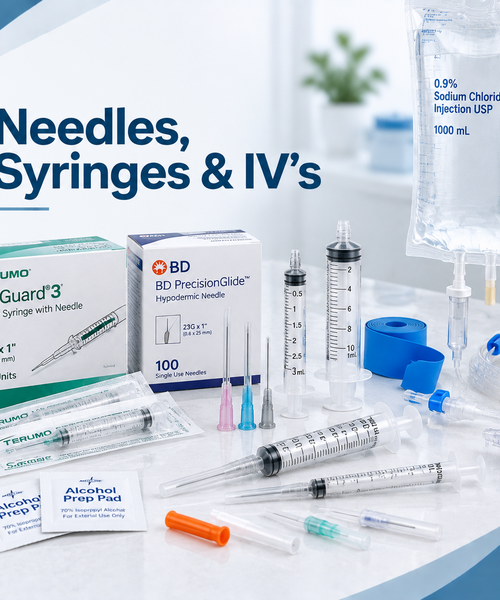
  • Needles, Syringes & IV's
  • needles-syringes-ivs
BD-BD Medical

  |  

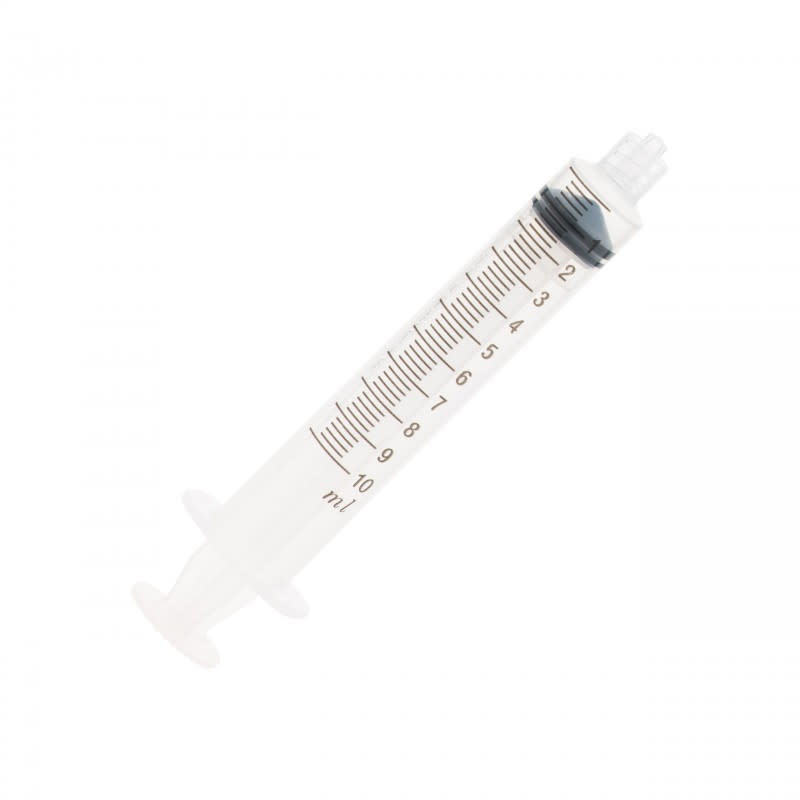
BD Sterile Syringe only Luer Lock 10ml Single

C$0.75
In stock online
In store: Check availability

Available in store

SKU: BD 302995

BD 10 mL Luer Lock syringes deliver secure medication administration with threaded tip preventing accidental disconnection, larger capacity for irrigation and aspiration, clear graduated barrel for precise measurement, latex-free construction.

    • Why 10 mL Capacity with Luer Lock Connection for Secure High-Volume Applications

      The 10 mL barrel capacity provides the larger volume essential for wound irrigation requiring copious fluid delivery, medication reconstitution needing adequate mixing space, aspiration of moderate fluid collections, and administration of higher-volume injectable medications—while the increased size maintains comfortable handling characteristics and precise plunger control that enable accurate dose measurement and controlled injection speed even when delivering the full 10 mL volume, making this capacity ideal for emergency departments performing wound irrigation, operating rooms requiring large-volume local anesthetic infiltration, and home healthcare scenarios where IV line flushing or enteral medication administration demands volumes exceeding the 3-5 mL capacity of smaller syringes. The Luer Lock threaded tip connection provides mechanical security through the twist-to-lock mechanism that creates a physical barrier preventing accidental needle or device disconnection—critical for high-pressure applications like wound irrigation where fluid pressure could dislodge a simple friction-fit connection, IV push medications where inadvertent separation during injection would compromise sterility and dose delivery, procedures involving patient movement where pulling forces could separate Luer Slip connections, and any clinical situation where the consequences of mid-procedure disconnection include medication loss, contamination, or injury. The latex-free construction eliminates type I hypersensitivity risks in the growing population of latex-sensitized patients and healthcare workers—particularly important for the 10 mL size frequently used in operating rooms and emergency departments where latex allergy prevalence is highest among surgical staff exposed to thousands of latex-containing devices, and where anaphylactic reactions to latex during procedures create life-threatening complications requiring immediate intervention.

      Key Features & Benefits

      Key Features:

      • 10 mL (10 cc) barrel capacity
      • Luer Lock threaded tip connection
      • Clear transparent polypropylene barrel
      • Bold graduation markings (typically 0.2 mL increments)
      • Smooth-gliding plunger for controlled delivery
      • Positive plunger stop prevents accidental removal
      • Retaining ring secures plunger in barrel
      • Latex-free construction (no natural rubber latex)
      • Sterile, individually packaged
      • Single-use, disposable design
      • Without attached needle (sold separately)
      • Medical-grade materials
      • Pyrogen-free
      • Non-toxic
      • Meets USP and ISO quality standards
      • Manufactured by BD (Becton, Dickinson and Company)

      Benefits:

      • 10 mL capacity appropriate for larger volume applications
      • Ideal for irrigation, aspiration, reconstitution
      • Luer Lock ensures secure needle attachment
      • Threaded connection prevents accidental disconnection
      • Safe for high-pressure applications
      • Compatible with all Luer Lock needles and devices
      • Clear barrel allows dose verification and air bubble detection
      • Bold markings improve measurement accuracy
      • Smooth plunger enables precise, controlled delivery
      • Positive stop prevents dose errors
      • Latex-free protects sensitive patients and healthcare workers
      • Sterile packaging ensures infection control
      • Single-use prevents cross-contamination
      • Trusted BD quality and reliability
      • Cost-effective for routine and specialized use

      Clinical Applications

      BD 10 mL Luer Lock Syringes are appropriate for:

      ✓ Wound irrigation (copious fluid delivery) ✓ IV line flushing (central lines, PICCs) ✓ Medication reconstitution (antibiotics, others) ✓ Large-volume medication administration ✓ Local anesthetic infiltration ✓ Joint aspiration and injection ✓ Fluid aspiration from collections ✓ Enteral feeding tube medication administration ✓ Nasogastric tube flushing ✓ Catheter irrigation and flushing ✓ Contrast media administration ✓ Blood sample collection (arterial blood gases) ✓ Laboratory specimen preparation ✓ Surgical irrigation procedures ✓ Emergency department procedures ✓ Operating room applications ✓ Home healthcare irrigation and flushing ✓ Any application requiring 10 mL secure connection

      Usage & Application

      IMPORTANT: Syringes should be used by trained healthcare professionals or patients/caregivers specifically instructed by healthcare providers.

      Pre-Use Inspection:

      1. Check package integrity:
        • Verify sealed package intact
        • Check for damage or punctures
        • Discard if package compromised
      2. Inspect syringe:
        • Check expiration date
        • Verify 10 mL capacity
        • Ensure Luer Lock tip undamaged
        • Check barrel clear with readable markings
        • Verify plunger moves smoothly
        • Discard if any defects
      3. Verify appropriate use:
        • Confirm application requires 10 mL volume
        • Check that Luer Lock connection needed
        • Ensure compatible needle or device available

      Opening Package:

      1. Peel open sterile package:
        • Open carefully
        • Do NOT touch syringe tip
        • Do NOT touch plunger tip
      2. Remove syringe:
        • Hold by barrel
        • Maintain sterility of Luer Lock tip

      Attaching Needle or Device:

      1. Select appropriate attachment:
        • Verify Luer Lock compatible
        • Luer Lock has threaded hub
        • Choose appropriate gauge, length, or device type
      2. Attach to Luer Lock tip:
        • Remove tip cap from syringe
        • Hold syringe barrel firmly
        • Align needle/device hub threads with syringe tip threads
        • Push hub onto tip
        • Twist clockwise while pushing until resistance felt
        • Continue twisting until firmly seated (tight connection)
        • Should feel secure "lock"
      3. Verify secure attachment:
        • Tug gently to ensure won't separate
        • Luer Lock should be very secure
        • Should not be able to pull apart without twisting
      4. Remove needle shield (if applicable):
        • Pull straight off
        • Do NOT touch needle

      Drawing Fluid:

      From vials:

      1. Prepare vial (clean stopper with alcohol)
      2. Draw air equal to fluid volume
      3. Insert needle through stopper
      4. Inject air
      5. Invert vial
      6. Withdraw fluid
      7. Remove air bubbles
      8. Verify volume
      9. 10 mL size good for:
        • Large medication doses
        • Reconstitution (plenty of room for mixing)
        • Multiple doses from single vial

      From IV bags or bottles:

      1. Insert needle through port
      2. Draw required volume
      3. 10 mL capacity enables larger volume withdrawal

      Medication Reconstitution:

      1. Draw diluent:
        • Use 10 mL syringe to draw diluent (sterile water, saline)
        • Typically 5-10 mL for reconstitution
      2. Add to medication vial:
        • Inject diluent slowly down side of vial
        • Prevents foaming
        • 10 mL size provides control for adding larger volumes
      3. Mix:
        • Swirl gently (do not shake unless instructed)
        • Allow to dissolve completely
      4. Withdraw reconstituted medication:
        • May need new syringe if reconstituted volume different
        • Or can use same 10 mL syringe if volume appropriate

      Wound Irrigation:

      1. Prepare irrigation solution:
        • Typically normal saline
        • Draw 10 mL (or less) into syringe
      2. Attach irrigation device or needle:
        • 18G-20G needle for wound irrigation
        • Or splash shield if available
        • Luer Lock ensures secure connection (irrigation pressure high)
      3. Irrigate wound:
        • Hold syringe 2-4 inches above wound
        • Push plunger with steady, moderate pressure
        • 10 mL syringe provides ideal pressure (8-15 psi range)
        • Direct stream across wound surface
        • Refill and repeat until wound clean
      4. Volume:
        • Small wounds: 100-200 mL total (10-20 syringe fills)
        • Moderate wounds: 200-500 mL (20-50 fills)
        • Large/contaminated: 500-1000+ mL

      IV Line Flushing:

      1. Prepare flush:
        • Draw saline (typically 10 mL for central lines)
        • Remove air bubbles
      2. Clean IV hub:
        • Scrub with alcohol 15 seconds
        • Allow to dry
      3. Attach to IV port:
        • Twist Luer Lock onto port
        • Ensure secure connection
      4. Flush:
        • Push-pause (pulsatile) technique
        • 1-2 mL, pause, repeat
        • Creates turbulence for effective clearing
        • 10 mL appropriate volume for:
          • Central venous catheters
          • PICCs
          • Midlines
          • After blood draws from IV lines
      5. Maintain positive pressure:
        • Clamp while disconnecting
        • Or disconnect while still pushing

      Aspiration:

      Joint aspiration:

      1. Prepare site (sterile technique)
      2. Attach appropriate needle
      3. Insert into joint space
      4. Pull plunger back slowly
      5. 10 mL capacity adequate for most joint fluid collections
      6. Remove needle
      7. Transfer fluid to specimen container if needed

      Fluid collection aspiration:

      1. Similar technique
      2. 10 mL appropriate for moderate collections

      Enteral Feeding Tube Medication:

      1. Draw medication:
        • Liquid formulation preferred
        • Or crushed tablets dissolved in water
        • 10 mL appropriate for most enteral medications
      2. Attach to feeding tube:
        • Connect Luer Lock to feeding tube port
        • Secure connection prevents leaks
      3. Administer:
        • Push slowly
        • 10 mL size enables controlled delivery
      4. Flush:
        • Follow with water flush (typically 30 mL)
        • May need additional syringe for full flush volume

      Post-Use Care:

      1. Dispose immediately:
        • Do NOT recap needle (if attached)
        • Place entire syringe with needle in sharps container
        • Never reuse syringes
      2. If needle separate:
        • Place needle in sharps
        • Syringe can go in medical waste (check facility protocol)
      3. Remove gloves and hand hygiene
      4. Document:
        • Procedure performed
        • Volume used
        • Patient tolerance

      Reading Graduations:

      1. 10 mL syringe markings:
        • Typically 0.2 mL increments
        • Bold lines every 1 mL
        • Numbers at 1, 2, 3, 4, 5, 6, 7, 8, 9, 10 mL
      2. Reading accurately:
        • Hold at eye level
        • Read at top of plunger rubber (not rod top)
        • Ensure good lighting
      3. Large volume measurement:
        • 10 mL allows measurement of substantial volumes
        • Useful when precise large doses needed

      Troubleshooting:

      Needle won't attach:

      • Verify both Luer Lock (threaded)
      • Check threads not damaged
      • Ensure proper alignment
      • Try different needle if damaged

      Luer Lock won't tighten:

      • Threads may be cross-threaded
      • Remove and reattach carefully
      • Ensure straight alignment before twisting

      Needle comes loose:

      • May not be tightened enough
      • Twist more firmly clockwise
      • Luer Lock should be very tight

      Plunger difficult to move:

      • May be defective—discard
      • 10 mL requires slightly more force than smaller syringes
      • Do NOT force excessively

      Air bubbles difficult to remove:

      • Tap barrel firmly
      • Hold vertical
      • May take more time with 10 mL volume
      • Flick with finger

      Resistance during injection:

      • Normal for high-pressure applications
      • Use steady, controlled pressure
      • Do NOT force excessively

      Special Considerations:

      High-pressure applications:

      • Wound irrigation (Luer Lock essential for pressure)
      • Contrast injection (secure connection critical)
      • 10 mL size provides ideal pressure for irrigation

      Central venous catheter flushing:

      • 10 mL syringe recommended minimum for CVCs
      • Reduces pressure on catheter
      • Luer Lock ensures secure connection

      Pediatric patients:

      • 10 mL appropriate for larger pediatric patients
      • May be too large for small children/infants
      • Use for irrigation, flushing even in pediatric

      Geriatric patients:

      • 10 mL easy to handle for most
      • May need assistance with reading markings
      • Good for irrigation of chronic wounds

      Home healthcare:

      • 10 mL common for:
        • NG tube flushing
        • G-tube medication administration
        • Wound irrigation
        • IV line flushing (home infusion)
      • Teach proper technique
      • Ensure adequate supply

      Operating room:

      • 10 mL common for:
        • Local anesthetic infiltration
        • Irrigation during procedures
        • Aspiration
      • Luer Lock security important in sterile field

      Emergency department:

      • 10 mL versatile for:
        • Wound irrigation
        • Medication administration
        • Aspiration procedures
        • Joint injections

      Infection Control:

      • Strict aseptic technique
      • Never reuse syringes
      • Never share between patients
      • Use new syringe for each medication/procedure
      • Maintain sterility of tip and plunger

      Advantages of 10 mL Luer Lock:

      10 mL capacity advantages:

      • Larger volume for irrigation
      • Good for reconstitution (mixing space)
      • Adequate for aspiration
      • Appropriate for CVC flushing
      • Can deliver larger medication doses

      Luer Lock advantages:

      • Secure threaded connection
      • Won't disconnect accidentally
      • Essential for high-pressure applications
      • Required for irrigation
      • Better for procedures with movement
      • Safer for critical connections

      10 mL vs. Other Sizes:

      vs. 3-5 mL:

      • 10 mL better for irrigation (more volume, better pressure)
      • Better for reconstitution
      • Better for CVC flushing
      • 3-5 mL better for precise small doses

      vs. 20-60 mL:

      • 10 mL easier to handle
      • Better pressure control
      • 20-60 mL needed for very large volumes

      Luer Lock vs. Luer Slip:

      Luer Lock advantages:

      • Secure threaded connection
      • Won't disconnect during pressure
      • Required for many applications
      • Safer overall

      Luer Lock situations:

      • Wound irrigation
      • High-pressure injection
      • CVC flushing
      • Contrast media
      • ABG sampling
      • Any critical connection

      Storage:

      • Store at room temperature
      • Keep in original packaging until use
      • Protect from damage
      • Check expiration dates
      • Rotate stock using FIFO
      • Typical shelf life 5 years

      When to Contact Provider:

      • Questions about appropriate use
      • Unable to perform procedure properly
      • Complications occur
      • Equipment malfunction
      • Concerns about technique

      Technical Specifications

      Product Details:

      • Manufacturer: BD (Becton, Dickinson and Company)
      • Product Type: Sterile disposable syringe without needle
      • Capacity: 10 mL (10 cc)
      • Tip Type: Luer Lock (threaded connection)
      • Barrel Material: Clear medical-grade polypropylene
      • Barrel Transparency: Transparent for fluid visualization
      • Graduation Markings: Bold, permanent markings (typically 0.2 mL increments)
      • Graduation Accuracy: ±5% (meets standards)
      • Plunger Material: Latex-free elastomer
      • Plunger Design: Smooth-gliding with positive stop
      • Retaining Ring: Prevents accidental plunger removal
      • Latex Content: Latex-free (no natural rubber latex)
      • Pyrogen Content: Non-pyrogenic
      • Sterility: Sterile until opened
      • Sterilization Method: Ethylene oxide (EtO) or gamma radiation
      • Needle Included: No (sold separately)
      • Packaging: Individually packaged in peel-open pouches
      • Shelf Life: Typically 5 years
      • Storage: Room temperature 15-30°C (59-86°F), dry conditions
      • Intended Use: Medication administration, irrigation, aspiration, flushing
      • Routes: Various (IM, IV, irrigation, aspiration)
      • Patient Population: All ages (with appropriate applications)
      • Regulatory Status: FDA-cleared medical device, Class II
      • Standards Compliance:
        • ISO 7886-1 (sterile hypodermic syringes)
        • ISO 594 (Luer taper and Luer Lock connections)
        • USP standards
    • No reviews yet

      Add yours

    Testimonials from Google

    See all reviews

    Your cart — 0

    You cart is currently empty

    Login