Why Firm Compression for Medical Venous Conditions
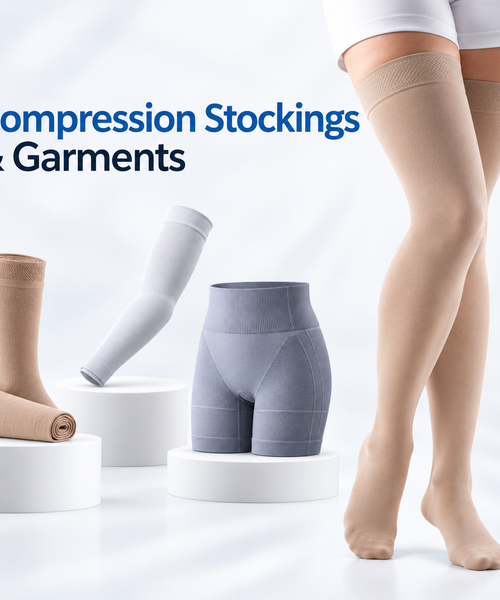
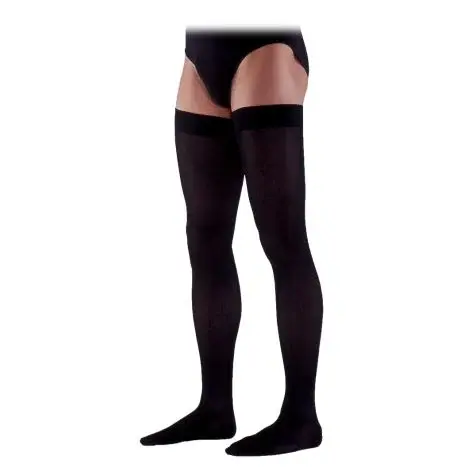
Firm 20–30 mmHg compression provides therapeutic-level pressure for managing moderate to severe venous conditions including chronic venous insufficiency, moderate varicose veins, post-thrombotic syndrome, and moderate edema. This compression level requires healthcare provider recommendation or prescription in most cases, as the increased pressure is designed to treat medical conditions rather than provide preventive support. The graduated compression applies maximum pressure at the ankle (30 mmHg) and gradually decreases up the thigh, actively pushing blood upward against gravity to improve venous return and reduce pooling. Thigh-high length extends coverage beyond the knee to the upper thigh, providing comprehensive support for the entire lower extremity—particularly beneficial when venous insufficiency affects the entire leg or when knee-high compression proves insufficient.
Key Features & Benefits
- Firm 20–30 mmHg graduated compression for medical-grade therapeutic support
- Thigh-high length provides comprehensive coverage from toes to upper thigh
- High cotton content offers superior breathability and moisture management
- Medium/Short sizing designed for men with shorter leg lengths
- Soft, non-binding top band stays in place without constriction
- Black color provides discreet, professional appearance for daily wear
- Reinforced heel and toe areas enhance durability through frequent use
- Graduated compression maximizes at ankle, decreases up leg
- Cotton blend reduces heat buildup compared to synthetic compression
- Suitable for extended daily wear (morning to evening)
Clinical Applications
Appropriate for men with:
✓ Moderate to severe chronic venous insufficiency (CVI) ✓ Symptomatic varicose veins causing pain, swelling, or skin changes ✓ Post-thrombotic syndrome following deep vein thrombosis (DVT) ✓ Moderate leg edema (swelling) from venous disease ✓ Lymphedema (mild to moderate) under healthcare supervision ✓ Post-surgical recovery after vein procedures (ablation, stripping, sclerotherapy) ✓ Venous leg ulcers (healed or active, with medical supervision) ✓ Occupations requiring prolonged standing in presence of venous disease ✓ Long-distance travel when varicose veins or CVI present
Important: 20–30 mmHg compression typically requires healthcare provider evaluation and recommendation. Do not use if you have severe arterial disease, peripheral neuropathy, or untreated congestive heart failure. Proper fitting by trained professional strongly recommended.
Usage & Application - User Guidance
For Medical Compression Stockings Under Healthcare Provider Direction: These firm compression stockings are designed to treat venous conditions as directed by your healthcare provider. Proper sizing, fitting, and application are essential for safe, effective use.
Understanding 20–30 mmHg Compression:
- Firm compression: Medical-grade therapeutic level
- Prescription level: Usually requires provider recommendation or prescription
- Treatment, not prevention: Designed for existing venous conditions
- Professional fitting recommended: Ensures proper size and technique
- Medical supervision: Regular follow-up with provider important
When Firm Compression is Needed:
- Moderate to severe varicose veins causing symptoms
- Chronic venous insufficiency affecting daily life
- Leg swelling that doesn't resolve with elevation alone
- Post-DVT syndrome (after blood clot)
- Venous ulcers (open wounds from poor circulation)
- Post-procedure support after vein treatment
- When lower compression levels (15–20 mmHg) prove insufficient
Professional Sizing Recommended:
- Thigh-high stockings require multiple measurements
- Measure ankle, calf, mid-thigh, and thigh circumferences
- Measure leg length from floor to gluteal fold
- Medium/Short designed for shorter leg lengths
- Professional fitter ensures accurate sizing
- Home measurement possible but less accurate
- Re-measure every 3–6 months or with weight changes
Understanding Medium/Short Sizing:
- "Medium" refers to leg circumference measurements
- "Short" refers to leg length measurements
- Designed for men with shorter-than-average leg length
- Prevents bunching or rolling if leg length shorter
- Check manufacturer sizing chart for exact measurements
- Improper length causes discomfort and reduced effectiveness
Preparing to Put On:
- Apply in morning before legs swell from daily activity
- Consider showering first—clean, dry skin aids application
- Sit in sturdy chair with good lighting
- Have rubber gloves or donning aid available
- Allow 10–15 minutes initially—becomes faster with practice
- Trim toenails to prevent snagging delicate fabric
Application Technique - Thigh-High Stockings:
- Turn stocking inside out to heel pocket
- Insert foot, positioning heel precisely in heel pocket
- Ensure toes reach end of stocking without cramping
- Pull stocking up over ankle, working gradually
- Continue pulling up calf to knee, smoothing wrinkles
- Stand to pull up over thigh (easier than sitting)
- Pull stocking up full length to upper thigh
- Top band should sit 2–3 inches below gluteal fold
- Smooth all wrinkles and bunching—folds reduce effectiveness
- Ensure even compression distribution throughout leg
Donning Aids and Tools:
- Rubber gloves provide excellent grip on fabric
- Metal or plastic donning aids help insert foot
- Sock donning tools specifically for compression stockings
- Talcum powder on legs helps stocking slide (use sparingly)
- Some users wear thin liner sock underneath
- Donning butler devices available for thigh-highs
- Consider professional instruction on donning technique
Checking Proper Fit:
- Should feel firm but not painful throughout leg
- Top band shouldn't cut into thigh or cause bulging
- No bunching or wrinkles anywhere on stocking
- Toes should have feeling and normal color
- Heel pocket aligned properly with your heel
- Compression should feel strongest at ankle
- Gradually less firm as stocking goes up leg
- No numbness, tingling, or pain
Throughout the Day:
- Check periodically that top band hasn't rolled down
- Smooth any wrinkles that develop
- Top band shouldn't cut circulation to thigh
- Compression should remain comfortable
- Remove immediately if severe pain, numbness, or discoloration occurs
- Contact provider if stockings become intolerable
Activity While Wearing:
- Can walk, work, and perform normal daily activities
- Avoid extremely hot environments (reduces effectiveness)
- Stay well-hydrated (supports circulation)
- Elevate legs when possible to enhance benefits
- Can wear during exercise if provider approves
- Remove before bathing or swimming
Removing Compression Stockings:
- Remove at end of day (typically after 8–12 hours)
- Sit in comfortable position
- Peel top band down gently from thigh
- Continue working down leg, gathering fabric
- Remove from foot last, turning inside out
- Do not pull harshly—can damage stockings
- Inspect legs after removal for any pressure marks
Overnight Wear:
- Most users remove at night unless provider specifies otherwise
- Elevation during sleep often sufficient for venous return
- Some conditions require 24-hour compression
- Always follow healthcare provider instructions
- If worn overnight, must be properly fitted to prevent complications
Caring for Cotton Compression Stockings:
- Hand wash daily in lukewarm water with mild detergent
- Gentle machine wash in mesh bag if needed
- Do not use bleach, fabric softener, or harsh chemicals
- Air dry flat or hang dry—never use dryer heat
- Do not wring out—gently squeeze excess water
- Cotton takes longer to dry than synthetic compression
- Have two pairs to alternate while one dries
- Replace every 3–6 months or when compression weakens
Cotton vs. Synthetic Compression:
- Cotton advantages: More breathable, softer feel, moisture-wicking, less heat buildup
- Cotton considerations: May stretch more over time, takes longer to dry
- Care needed: Cotton requires gentle washing to maintain compression
- Comfort: Many users prefer cotton for all-day wear
Managing Challenges:
- Too difficult to put on: Use donning aid, try gloves, or request fitting assistance
- Top band rolls down: May need different size or style with silicone band
- Uncomfortable behind knee: Ensure proper length, check for bunching
- Toes cramped: Verify correct size, consider open-toe style
- Skin irritation: May need barrier cream or liner sock (consult provider)
Signs of Improper Fit or Application:
- Severe pain, numbness, or tingling
- Skin color changes (blue, purple, very pale)
- Increased swelling rather than decreased
- Top band creating deep indentations
- Toes losing feeling or becoming cold
- Wrinkles or bunching that won't smooth out
- Stockings sliding down repeatedly
When Compression May Not Be Appropriate:
- Severe peripheral arterial disease (poor leg blood flow)
- Acute DVT (active blood clot)—only wear if prescribed
- Untreated congestive heart failure
- Severe peripheral neuropathy (nerve damage)
- Skin infections or open wounds (unless medically supervised)
- Allergic reaction to compression materials
Monitoring Treatment Effectiveness:
- Note reduction in leg swelling and heaviness
- Track improvement in pain and aching
- Document decrease in varicose vein symptoms
- Monitor skin health and color
- Report progress to healthcare provider at follow-ups
- May need compression adjustment over time
When to Contact Healthcare Provider:
- Severe pain, numbness, or circulation problems during wear
- Increased swelling despite compression use
- Skin breakdown, ulcers, or infections
- New or worsening varicose veins
- Signs of blood clot (sudden pain, swelling, warmth, redness)
- Difficulty tolerating compression despite proper fit
- Questions about appropriate compression level
- Need for different size, style, or compression class
Product Specifications
- Product Type: Men's Thigh-High Compression Stockings
- Brand: Essential Cotton
- Compression Level: 20–30 mmHg (firm, graduated)
- Length: Thigh-High (extends from toes to upper thigh)
- Size: Medium/Short (for shorter leg lengths)
- Gender: Men's specific sizing
- Color: Black
- Material: High cotton content blend with elastic compression fibers
- Top Band: Soft, non-binding design
- Toe Style: Closed toe (with reinforcement)
- Heel: Reinforced for durability
- Prescription: Typically requires healthcare provider recommendation
- Best For: Moderate to severe venous conditions
- Wear Time: 8–12 hours daily (or as prescribed)
- Care: Hand wash, air dry
- Replacement: Every 3–6 months
- Professional Fitting: Strongly recommended