Slideshow Items

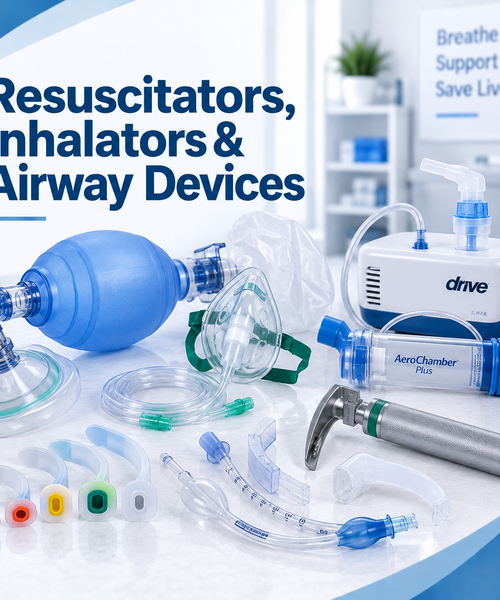
  • Resuscitators, Inhalators & Airway Devices
  • resuscitators-inhalators-airway-devices
Inogen

  |  

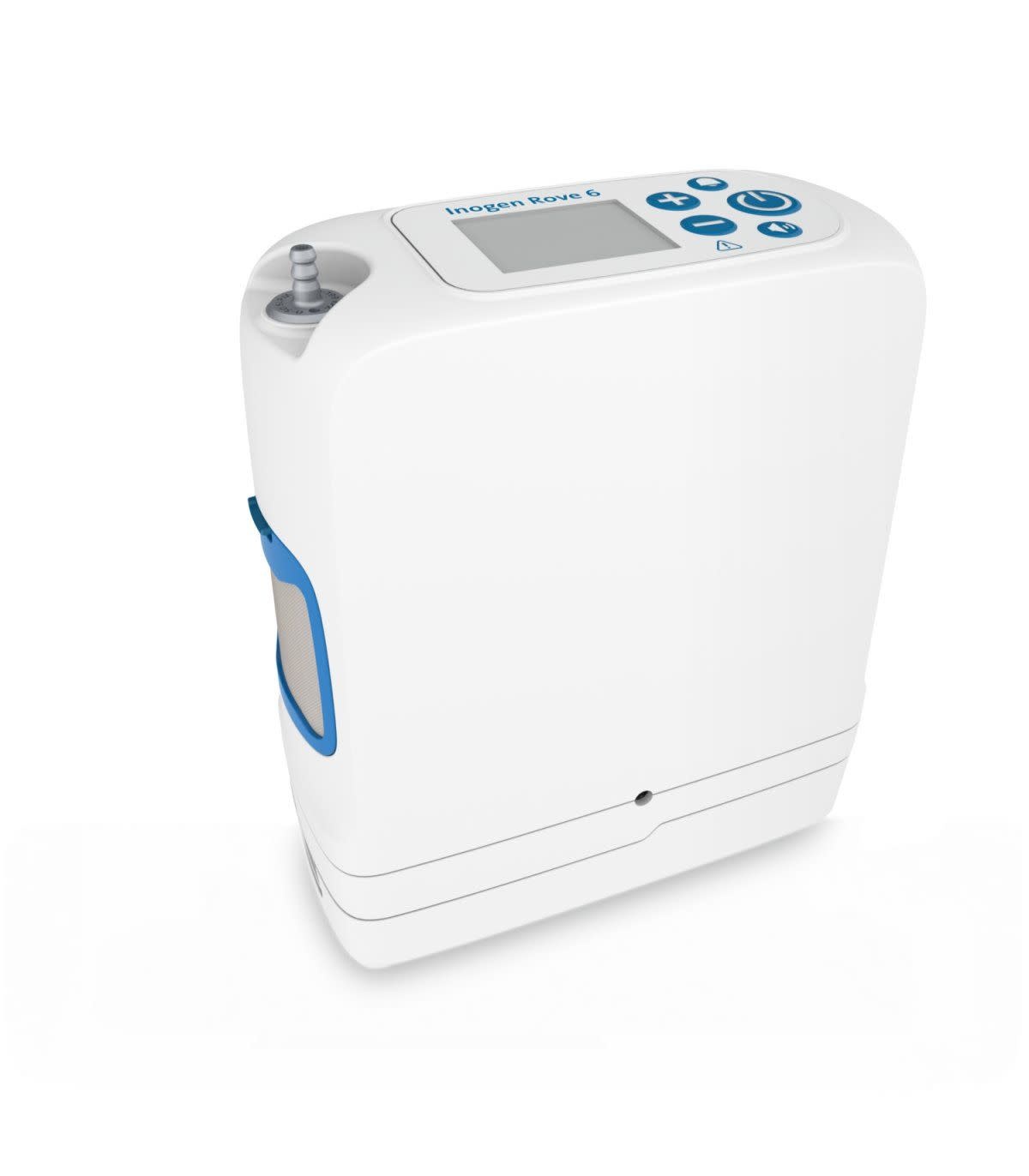
Inogen Rove 6 Portable Oxygen Concentrator 13 Hours 16 Cell Extended Battery

C$3,199.00
Out of stock online
In store: Check availability

Available in store

SKU: IS-501-NA16

Lightweight portable oxygen concentrator with pulse-dose delivery across six flow settings and a 16-cell extended battery providing up to 13 hours of runtime, designed for active daily use, travel, and continuous oxygen therapy independence.

    • Why the Rove 6 Is the Oxygen Delivery Boundary and the Mobility Independence Component of the Portable Oxygen Therapy System Simultaneously

      The Inogen Rove 6 serves two structurally distinct functions that are both essential to effective portable oxygen therapy, and that a single concentrator device must satisfy simultaneously. The first function is oxygen delivery: the Rove 6 is the medical device that produces and delivers the supplemental oxygen that the patient's prescription requires at each breath. Unlike oxygen cylinders that contain a finite oxygen supply, the Rove 6 concentrates oxygen from ambient air through a pressure swing adsorption process, producing a continuous renewable oxygen supply as long as the device has power. The pulse-dose delivery system delivers an oxygen bolus at the onset of each inhalation — the moment when the patient's respiratory drive creates a negative pressure signal that the device's sensor detects — rather than delivering a continuous flow throughout both inhalation and exhalation. Pulse-dose delivery is more oxygen-efficient than continuous flow because it concentrates the oxygen delivery into the inhalation phase where gas exchange occurs, rather than wasting oxygen during the exhalation phase when the airway is closed to gas exchange. The six flow settings of the Rove 6 allow the delivered bolus volume to be matched to the patient's prescribed flow rate and breathing pattern, from lower settings for resting activity to higher settings for exertion and elevated respiratory demand.

      The second function the Rove 6 must satisfy simultaneously is mobility independence — enabling the patient to perform the daily activities, travel, and social participation that oxygen-dependent patients are at risk of abandoning when their oxygen equipment becomes a mobility constraint. The primary mobility barriers for oxygen-dependent patients are device weight, battery runtime, and transport logistics. The Rove 6's approximately 2.6 kg weight with the extended battery is light enough for shoulder bag or carry bag transport across the full range of daily activities that ambulatory patients perform. The 16-cell extended battery's up to 13-hour runtime covers a full waking day of activity without requiring a mains recharge during the activity period — a runtime that eliminates the activity planning constraint that shorter battery runtime imposes on patients who must remain within range of a power outlet. AC and DC power compatibility extends operational continuity to vehicle travel and home use without requiring oxygen cylinder logistics.

      The intelligent pulse-dose delivery system of the Rove 6 addresses the specific challenge of matching oxygen bolus delivery to the patient's actual breathing pattern during variable-intensity activity. At rest, the patient's respiratory rate is low and each breath is relatively shallow — the oxygen demand per minute is moderate. During exertion, the respiratory rate increases and tidal volume may change — the oxygen demand per minute increases significantly. A fixed-dose pulse system that delivers the same bolus volume at each breath regardless of respiratory rate delivers oxygen in proportion to breath count rather than in proportion to the patient's metabolic oxygen demand. The Rove 6's intelligent delivery system monitors the patient's breathing pattern and adjusts the bolus delivery to maintain consistent oxygen saturation across the range of activity intensities that daily life requires, rather than relying on the patient to manually adjust the flow setting with each activity change.

      The quiet operation specification of the Rove 6 — approximately 38–39 dBA — addresses the social participation dimension of oxygen therapy independence. A portable concentrator that produces high operating noise draws attention to the user's medical equipment in social settings, creating a social visibility burden that some patients manage by reducing their social participation rather than attracting attention. The Rove 6's noise specification is at the lower end of the portable concentrator range, allowing the device to be used in restaurants, meeting rooms, and public transport without the operating noise level that would make it conspicuous in a quiet social environment.

      KEY FEATURES

      • 16-cell extended battery — up to 13 hours of runtime at moderate flow settings, covering a full waking day of active use without mains recharge and eliminating the activity range constraint that shorter battery runtime imposes on oxygen-dependent patients
      • Six pulse-dose flow settings — bolus volume adjustable across settings 1–6 to match the patient's prescribed flow rate and activity-dependent respiratory demand, from resting to exertion without manual resetting for each activity level
      • Intelligent breath-sensing oxygen delivery — pulse-dose bolus triggered at inhalation onset by the device's respiratory sensor, concentrating oxygen delivery into the inhalation phase where gas exchange occurs and adjusting delivery to the patient's breathing pattern
      • Lightweight compact design — approximately 2.6 kg with extended battery, suitable for shoulder bag or carry bag transport across the full range of daily ambulatory activities without the weight burden that heavier concentrators impose
      • AC and DC power compatibility — mains and vehicle power options extend operational continuity to home use and vehicle travel, maintaining therapy across all environments without oxygen cylinder logistics
      • Quiet operation at approximately 38–39 dBA — noise level suitable for use in social, public, and quiet environments without the operating sound level that draws attention to the device in social settings

      BENEFITS

      • Up to 13-hour extended battery runtime enables full-day activity independence — patients can complete a full day of activities, travel, and social participation without a mains recharge event, removing the activity planning constraint of shorter-runtime devices
      • Pulse-dose delivery efficiency extends battery runtime relative to continuous flow — oxygen delivery concentrated in the inhalation phase reduces power consumption per unit of therapeutic oxygen delivered, contributing to the extended runtime the 16-cell battery achieves
      • Intelligent delivery system maintains saturation across activity levels — breath-sensing bolus adjustment reduces the manual flow setting management that fixed-dose pulse systems require from patients during variable-intensity daily activity
      • Six flow settings accommodate the full range of prescribed portable oxygen therapy requirements — from low settings for sedentary patients to higher settings for active patients with elevated exertion oxygen demand
      • Lightweight design removes the weight barrier to daily oxygen therapy compliance — patients who experience device weight as a mobility constraint are more likely to maintain consistent therapy adherence with a lighter device

      TYPICAL APPLICATIONS

      Active daily use — primary portable oxygen device for ambulatory patients who require oxygen therapy throughout the day across home, community, and social environments

      Air and ground travel — extended battery runtime and compact design suitable for airport transit, in-flight use, and destination mobility without cylinder logistics or oxygen supply coordination at the destination

      Long-duration outings — day trips, social events, and extended activities where 13-hour battery runtime covers the full activity period without requiring access to a mains power outlet during the outing

      Vehicle travel — DC power compatibility maintains therapy during extended vehicle travel without battery depletion, using vehicle power to supplement or replace battery operation during long-distance journeys

      Newly prescribed portable oxygen patients — device specification suitable for patients transitioning from stationary to portable oxygen therapy who require a device that accommodates active daily living without oxygen cylinder management

    • No reviews yet

      Add yours

    Testimonials from Google

    See all reviews

    Your cart — 0

    You cart is currently empty

    Login

    By using our website, you agree to the use of cookies. These cookies help us understand how customers arrive at and use our site and help us make improvements. Hide this message More on cookies »