
Why Light Compression Diabetic Socks Provide Dual Circulatory Protection
Light compression diabetic socks represent sophisticated hybrid solution addressing paradoxical diabetic foot care challenge—diabetes simultaneously creates both circulatory insufficiency requiring compression support AND peripheral neuropathy demanding non-restrictive protective hosiery, forcing diabetic patients into impossible choice between circulation enhancement (traditional compression) risking dangerous constriction on insensate neuropathic feet, or protective loose diabetic socks (standard diabetic hosiery) abandoning circulatory support that diabetic vascular disease desperately needs. The 37+ million Americans with diabetes face devastating lower extremity complications from this dual pathology: diabetic peripheral artery disease (PAD) reduces blood flow to feet causing tissue hypoxia, delayed wound healing, and gangrene risk requiring amputation prevention through enhanced circulation; simultaneously diabetic peripheral neuropathy eliminates protective pain sensation that would normally alert patients to compression injuries, pressure points, or circulation restriction from tight hosiery, creating scenario where traditional firm compression (20-30 mmHg) designed for venous insufficiency becomes dangerous for diabetic neuropathic feet through undetected constriction causing ischemic tissue damage patients cannot feel developing. Standard diabetic socks address neuropathy protection through loose non-binding construction but sacrifice circulatory support that diabetic arterial disease requires, while traditional compression addresses circulation but risks constriction injuries on insensate feet—neither solution optimal for diabetic patients needing BOTH circulation support AND neuropathy protection simultaneously.
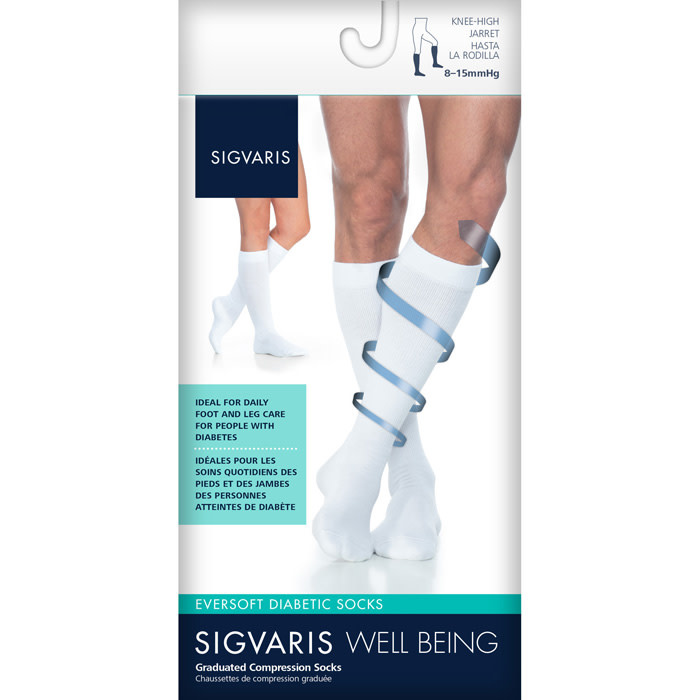
The 8-15 mmHg light graduated compression level provides optimal balance for diabetic circulatory support without dangerous restriction—sufficient pressure to enhance venous return, reduce foot and ankle swelling common in diabetes, support compromised arterial circulation, and prevent dependent edema that exacerbates diabetic foot complications, yet gentle enough to avoid arterial compression, constriction injuries, or circulation restriction on peripheral artery disease (PAD) compromised limbs where excessive pressure could catastrophically reduce already inadequate blood flow causing tissue necrosis and amputation. Medical guidelines specifically recommend light compression (8-15 mmHg) or no compression for diabetic patients with confirmed PAD (ankle-brachial index <0.9), while higher compression levels (20-30+ mmHg) contraindicated due to arterial compromise risk—these light compression diabetic socks serve diabetic patients WITHOUT severe PAD who benefit from gentle circulatory support but require diabetic-safe pressure levels preventing the arterial compression catastrophe that firm therapeutic compression could cause. The graduated compression profile (maximum pressure at ankle gradually decreasing up leg) follows medical-grade compression principles but at diabetic-safe light pressure preventing the uniform constriction that non-graduated socks create.
The non-binding top design represents CRITICAL diabetic foot care requirement—diabetes-induced peripheral neuropathy means patients cannot feel the pain, tingling, or discomfort that would alert them to tight elastic tops cutting into legs, restricting circulation, or creating pressure lines causing tissue damage they cannot perceive developing. The non-binding loose cuff provides gentle hold preventing sock slippage without the constricting elastic bands that standard socks employ, eliminating the dangerous top-band tourniquet effect where tight elastic creates proximal constriction reducing distal blood flow to feet already compromised by diabetic arterial disease. This non-binding feature distinguishes diabetic-specific hosiery from general compression where firm top bands maintain garment position—diabetic patients require different engineering prioritizing safety over maximum compression delivery.
The white color serves essential diabetic foot monitoring function—diabetes complications require daily foot inspection detecting problems before catastrophic progression, with white socks revealing blood spots, drainage, or wound exudate immediately visible against white background that darker colors would conceal until advanced infection or tissue breakdown demands emergency intervention. Diabetic patients checking socks throughout day can identify early bleeding, blister fluid, or wound drainage prompting immediate medical attention preventing the minor issues escalating to major complications requiring hospitalization or amputation. The clean white appearance also supports infection control through visible dirt detection encouraging frequent washing maintaining hygiene critical for immunocompromised diabetic patients vulnerable to foot infections.
The breathable moisture-wicking construction addresses diabetic infection prevention—diabetes impairs immune function making foot infections catastrophically dangerous, with moist warm environments breeding bacteria and fungi causing infections that minor inconveniences in healthy individuals become limb-threatening emergencies in diabetic patients. Moisture control keeps feet dry preventing maceration (skin breakdown from prolonged wetness), fungal infections (athlete's foot), bacterial infections, and the compromised skin integrity that enables infection entry through micro-breaks diabetic patients cannot feel occurring. The cushioned sole provides pressure distribution reducing localized pressure points causing calluses, ulcers, or tissue ischemia on neuropathic feet lacking protective pain sensation that would cause healthy individuals to shift weight away from pressure areas before injury develops.
Key Features & Benefits
Light Graduated Compression (8-15 mmHg)
- Gentle graduated pressure diabetic-safe
- Enhances venous return and circulation
- Reduces foot and ankle swelling
- Supports compromised diabetic arterial circulation
- Prevents dependent edema exacerbating complications
- Appropriate for diabetes WITHOUT severe PAD
- Avoids dangerous arterial compression risk
- Medical guideline compliant for diabetic use
Non-Binding Protective Top
- Loose soft cuff prevents constriction
- Eliminates dangerous elastic band tourniquet effect
- Safe for neuropathic insensate legs
- No pressure lines or circulation restriction
- Gentle hold prevents slippage
- Critical diabetic foot care requirement
- Protects against undetected constriction injury
- Prioritizes safety over firm compression
White Color for Monitoring
- Reveals blood spots immediately
- Shows drainage and wound exudate
- Enables daily foot inspection
- Early problem detection before catastrophic progression
- Infection control through visible dirt
- Encourages frequent washing and hygiene
- Professional clean appearance
- Medical monitoring advantage
Breathable Moisture-Wicking Fabric
- Keeps feet dry preventing maceration
- Reduces bacterial and fungal infection risk
- Controls moisture in vulnerable diabetic feet
- Soft cotton blend comfort
- Temperature regulation
- Odor control through dryness
- All-day comfortable wear
- Infection prevention through moisture management
Cushioned Protective Sole
- Added padding underfoot
- Pressure distribution reducing ulcer risk
- Protects neuropathic insensate feet
- Comfort for extended wear
- Reduces callus formation
- Absorbs impact during walking
- Prevents localized pressure points
- Diabetic foot protection engineering
Seamless or Minimal Seam Construction
- Prevents pressure points on neuropathic feet
- Reduces friction and irritation
- Eliminates seam-related blister risk
- Smooth interior against sensitive skin
- Critical for insensate diabetic feet
- Protects against undetected injuries
Soft Comfortable Fabric
- Gentle against sensitive diabetic skin
- Reduces irritation and chafing
- Comfortable for all-day wear
- Suitable for sleeping if recommended
- Non-irritating for compromised skin
- Quality feel encouraging consistent use
Unisex Sizing for Universal Access
- Serves both men and women equally
- Multiple size options typical
- Accommodates diverse foot sizes
- Proper fit essential for diabetic safety
- Inclusive accessibility for all diabetic patients
Latex-Free Hypoallergenic
- Safe for latex allergies and sensitivities
- Appropriate for sensitive diabetic skin
- Reduces allergic reaction risk
- Suitable for immunocompromised diabetic patients
- Healthcare-safe materials
All-Day and Sleep Wear Compatible
- Comfortable for extended daily wear
- Suitable for sleeping if physician recommends
- Non-restrictive for nighttime use
- 24-hour diabetic foot protection
- Work, home, bed versatility
Machine Washable Easy Care
- Simple maintenance for daily use
- Frequent washing supports hygiene
- Machine wash cold gentle cycle
- Air dry or low heat tumble
- Maintains softness and fit
- Practical for diabetic foot care routine
Clinical Applications and Diabetic Foot Care
Appropriate for diabetic patients with: ✓ Type 1 or Type 2 diabetes requiring foot protection ✓ Peripheral neuropathy (insensate feet, loss of protective sensation) ✓ Mild to moderate diabetic peripheral artery disease (PAD) without severe arterial compromise ✓ Foot and ankle swelling associated with diabetes ✓ Diabetic edema requiring gentle compression support ✓ Diabetes WITHOUT severe PAD (ankle-brachial index ≥0.9) ✓ History of diabetic foot ulcers (healed, preventive maintenance) ✓ Diabetic skin changes and sensitivity ✓ Diabetes with standing or sedentary occupations ✓ Diabetic patients requiring circulation support ✓ Pre-diabetic individuals with neuropathy or circulation concerns ✓ Sensitive feet requiring protective comfortable hosiery ✓ Daily diabetic foot care and ulcer prevention ✓ Diabetic patients seeking circulation enhancement safely ✓ Working diabetic adults needing professional appropriate socks
Diabetic Foot Protection Benefits: Light compression diabetic socks provide dual protection:
- Circulation Support: Enhances blood flow to compromised diabetic feet
- Neuropathy Safety: Non-binding design prevents undetected constriction
- Swelling Management: Reduces diabetic edema and foot swelling
- Ulcer Prevention: Cushioning and pressure distribution
- Infection Control: Moisture management and cleanliness
- Monitoring Enhancement: White color reveals problems early
- Daily Protection: All-day diabetic foot care
Critical Diabetic Foot Care Principles: These socks support evidence-based diabetic foot care:
- Daily Inspection: White color facilitates monitoring
- Pressure Prevention: Cushioning and seamless design
- Moisture Control: Infection prevention through dryness
- Proper Fit: Non-binding prevents constriction
- Cleanliness: Machine washable supports hygiene
- Circulation Support: Gentle compression without restriction
- Protective Padding: Cushioned sole reduces injury risk
When Light Compression Diabetic Socks Particularly Beneficial:
- Diabetes with foot/ankle swelling or edema
- Diabetic patients with standing occupations
- Sedentary diabetic individuals (office work, prolonged sitting)
- Diabetes with mild circulatory insufficiency
- Pre-diabetic or early diabetic circulation support
- Diabetic patients cleared by physician for light compression
- Working diabetic adults needing professional socks
- Diabetic travel (flights, extended sitting)
When Standard Non-Compressive Diabetic Socks Required Instead:
- Severe peripheral artery disease (PAD) with ankle-brachial index <0.9
- Arterial insufficiency contraindicating any compression
- Physician recommendation against compression
- Active diabetic foot ulcers (unless specifically prescribed)
- Critical limb ischemia or rest pain
- Recent arterial bypass or vascular surgery
- (Consult healthcare provider before using compression with diabetes)
When Higher Compression Contraindicated:
- Diabetes automatically excludes 20-30+ mmHg compression without vascular clearance
- Peripheral artery disease prohibits therapeutic compression
- Only light 8-15 mmHg or no compression safe for most diabetic patients
- Vascular specialist evaluation required before higher compression
Usage & Application
For Diabetic Foot Protection with Gentle Circulation Support: These light compression diabetic socks provide protective comfort and gentle circulatory enhancement for diabetic patients without severe peripheral artery disease. Healthcare provider consultation essential before using ANY compression with diabetes.
CRITICAL DIABETIC SAFETY REQUIREMENTS
MANDATORY PHYSICIAN CONSULTATION:
- NEVER use compression socks with diabetes without medical evaluation
- Ankle-brachial index (ABI) testing may be required
- Physician must clear compression use based on vascular status
- Peripheral artery disease must be ruled out or assessed
- Medical supervision essential for diabetic foot care
Diabetic-Safe Sizing and Professional Guidance
- Healthcare Provider Assessment:
- Comprehensive foot examination
- Vascular status evaluation (pulses, ABI if indicated)
- Neuropathy assessment
- Clearance for light compression use
- Ongoing monitoring recommendations
- Professional Fitting When Possible:
- Certified fitter with diabetic foot care expertise
- Proper sizing critical for diabetic safety
- Too tight: dangerous arterial compression risk
- Too loose: inadequate support, slippage creating friction
- Diabetic patients should NEVER guess at sizing
- Diabetic Sock Measurements:
- Ankle circumference at narrowest point
- Calf circumference at widest point
- Foot length for proper fit
- Match to Eversoft size chart
- Professional verification recommended
Application for Diabetic Patients
IMPORTANT: Diabetic patients with neuropathy cannot feel improper fit or constriction. Careful visual inspection essential.
- Pre-Application Inspection:
- Examine feet thoroughly for any issues
- Look for cuts, blisters, redness, swelling
- Check between toes for moisture or problems
- Never apply socks over open wounds without medical guidance
- Ensure feet completely dry
- Gentle Application:
- Sit comfortably with good lighting
- Turn sock inside-out to heel if easier
- Insert foot carefully
- Work sock up gently over foot and ankle
- Continue up calf smoothly
- Ensure heel positioned properly
- Smooth any wrinkles completely
- Repeat for second foot
- Critical Fit Verification:
- Visual Inspection: No constriction lines or bands visible
- Top Band: Non-binding, loose, comfortable appearance
- No Bunching: Smooth fabric against skin
- Heel Position: Properly aligned
- Length: Appropriate coverage without excessive tightness
- Circulation Check: Toes normal color and temperature
- If ANY concerns: Remove immediately and consult physician
- Diabetic Safety Checks Throughout Day:
- Check socks multiple times daily
- Look for blood spots, drainage, or staining
- Verify circulation (color, temperature, sensation if present)
- Remove if any discomfort, tightness, or concerns
- Do NOT ignore problems—diabetic feet demand immediate attention
Daily Diabetic Wear Protocol
Daytime Use:
- Wear during waking hours as recommended by physician
- Monitor continuously throughout day
- Remove periodically to inspect feet
- Change if dampness or soiling occurs
- Never wear dirty or damp diabetic socks
Nighttime Use:
- Only if specifically recommended by healthcare provider
- Many diabetic patients advised to remove socks at night
- Sleep with feet uncovered for inspection and air circulation
- Follow physician-specific guidance
Duration Guidance:
- Follow healthcare provider recommendations
- Remove for daily foot inspection and care
- Change daily minimum (more if needed)
- Never wear same socks consecutive days without washing
Critical Diabetic Foot Care Integration
Daily Inspection Routine:
- Morning: Inspect feet before applying socks
- Throughout Day: Check socks for blood, drainage, staining
- Evening: Remove socks and thoroughly inspect feet
- White Color Advantage: Problems visible immediately on white fabric
Foot Hygiene:
- Wash feet daily with mild soap and lukewarm water
- Dry thoroughly, especially between toes
- Apply diabetic-appropriate moisturizer (not between toes)
- Allow feet to dry completely before applying socks
- Never apply socks to damp feet
Sock Care and Rotation
- Minimum Rotation:
- 7-14 pairs for daily changes
- Fresh clean socks every day essential
- Diabetic feet require exceptional hygiene
- Never rewear without washing
- Daily Washing:
- Wash after EVERY wearing
- Machine wash cold water gentle cycle
- Mild detergent (fragrance-free preferred for sensitive skin)
- Never bleach
- Removes bacteria and maintains hygiene
- Proper Drying:
- Air dry preferred
- Tumble dry low acceptable
- Ensure completely dry before wearing
- Inspect for damage during folding
- Replacement Schedule:
- Replace every 3-6 months with regular wear
- Replace immediately if holes, thinning, or elastic deterioration
- Replace if white color becomes dingy (reduces monitoring ability)
- Diabetic foot care worth fresh sock investment
- Don't risk foot health with worn socks
Activity Considerations
Work and Professional Use:
- Professional white appearance workplace appropriate
- All-day comfort for standing or sedentary occupations
- Moisture control during active workdays
- Can wear with dress or casual shoes
Exercise and Physical Activity:
- Consult physician before diabetic exercise program
- May be appropriate for gentle walking
- Monitor feet carefully during and after activity
- Change immediately after sweating
- Athletic activities may require specialized diabetic athletic socks
Travel:
- Extended sitting (flights, car trips) benefits from circulation support
- Carry extra pairs for changes during travel
- Daily inspection especially important when away from home
- White color shows problems even in hotel rooms
WHEN TO CONTACT HEALTHCARE PROVIDER IMMEDIATELY
Emergency - Seek Immediate Medical Attention:
- Any open wound or ulcer on diabetic foot
- Signs of infection (redness, warmth, swelling, fever, red streaks)
- Sudden color changes (pale, blue, red)
- Sudden temperature changes (cold feet)
- Severe pain (even if neuropathy present, new pain is emergency)
- Any foot injury or trauma
- Blood or drainage on socks
Urgent - Contact Within 24 Hours:
- New blisters or areas of rubbing
- Increasing swelling in feet or legs
- Sock marks or constriction lines lasting more than a few minutes after removal
- Any concerns about sock fit or compression
- Skin changes or irritation
- Numbness or tingling changes
Routine:
- Regular diabetic foot care appointments (typically every 3-6 months)
- Before starting compression sock use
- Any questions about appropriate diabetic hosiery
- Sock fit or sizing concerns
Product Specifications
Compression Parameters
- Compression Level: Light graduated (8-15 mmHg)
- Pressure Type: Graduated compression (maximum ankle, decreasing up leg)
- Clinical Classification: Diabetic foot care with gentle circulation support
- Prescription Status: Over-the-counter with physician consultation required for diabetic use
Diabetic-Specific Features
- Non-Binding Top: Loose soft cuff preventing constriction
- Cushioned Sole: Added padding for pressure distribution
- Seamless Construction: Minimal irritation on neuropathic feet
- Moisture-Wicking: Infection prevention through dryness
- White Color: Monitoring and early problem detection
- Soft Fabric: Gentle on sensitive diabetic skin
Material Composition
- Cotton/Nylon/Spandex Blend: Soft, breathable, moisture-wicking
- Latex Content: Latex-free
- Construction: Diabetic-safe gentle materials
- Finish: Soft comfortable against sensitive skin
Design Features
- Length: Typically crew or mid-calf length
- Gender: Unisex design
- Color: White (medical monitoring advantage)
- Top: Non-binding loose cuff
- Sole: Cushioned padding
- Seams: Minimal or seamless for comfort
Sizing Information
- Available Sizes: Multiple sizes (S, M, L, XL typical)
- Size Determination: Ankle, calf circumference; foot length
- Unisex: Same sizes for men and women
- Diabetic Fit: Proper sizing critical for safety
- Professional Fitting: Strongly recommended
Quality and Purpose
- Brand: Eversoft
- Category: Diabetic compression socks
- Purpose: Diabetic foot protection with gentle circulation support
- Quality: Medical device diabetic care standards
- Safety: Diabetic-specific engineering priorities
Care Requirements
- Washing: Machine wash cold gentle cycle
- Drying: Air dry preferred; low heat tumble acceptable
- Frequency: After every wearing (daily minimum)
- Lifespan: Replace every 3-6 months
- Hygiene: Essential for diabetic infection prevention
Package Contents
- Pair of Eversoft Diabetic Compression Socks
- Care instructions
- Diabetic foot care guidance
Patient Selection Criteria
Ideal Candidates
- Type 1 or Type 2 diabetic patients
- Peripheral neuropathy with foot protection needs
- Diabetic foot and ankle swelling
- Diabetes with standing or sedentary occupations
- Diabetic patients WITHOUT severe peripheral artery disease
- Healthcare provider clearance for light compression
- Pre-diabetic individuals with circulation concerns
- Sensitive feet requiring protective hosiery
- Diabetic patients seeking circulation support safely
- Working diabetic adults needing professional socks
- Diabetic travelers needing circulation support
- Anyone with diabetes requiring daily foot protection
Critical for Diabetic Patients Who:
- Experience foot and ankle swelling
- Have standing occupations requiring all-day wear
- Need circulation support with diabetic safety
- Require protective comfortable daily socks
- Want professional white appearance at work
- Need monitoring capability through white color
Essential Requirements Before Use:
- Physician consultation and medical clearance
- Vascular assessment ruling out severe PAD
- Understanding of diabetic foot care principles
- Commitment to daily foot inspection
- Ability to recognize problems requiring medical attention
- Proper sizing and fit verification
When Standard Non-Compressive Diabetic Socks Better:
- Severe peripheral artery disease
- Physician recommendation against any compression
- Arterial insufficiency
- Active foot ulcers (unless specifically prescribed)
- Critical limb ischemia