Why Donning Gloves Transform Compression Therapy Compliance
Donning gloves represent critical breakthrough eliminating the single largest barrier to compression therapy compliance—application difficulty that causes 30-60% of prescribed compression users to abandon therapeutic compression despite medical necessity, not because compression itself feels uncomfortable once applied, but because the application process proves so frustrating, time-consuming, physically demanding, or seemingly impossible that patients simply give up on therapy entirely, choosing untreated venous disease, DVT risk, lymphedema progression, or post-surgical complication over daily wrestling matches with compression garments they cannot successfully apply despite genuine motivation and medical understanding. Healthcare providers and compression manufacturers invest tremendous resources developing advanced therapeutic compression technologies, optimizing graduated pressure profiles, engineering comfortable fabrics, and proving clinical efficacy through rigorous studies—yet all this sophisticated medical development becomes meaningless when patients cannot physically get compression onto their legs regardless of therapeutic benefits waiting once successfully applied. The application barrier disproportionately affects the very populations most needing compression: elderly patients with arthritis limiting hand strength and dexterity; post-surgical patients with temporary mobility restrictions; lymphedema patients managing chronic conditions requiring lifelong compression; individuals with obesity complicating leg access; caregivers assisting family members lacking professional training or physical strength for compression application; and anyone prescribed therapeutic-strength 20-30 or 30-40 mmHg compression where fabric firmness necessary for therapeutic efficacy creates application resistance far exceeding light preventive compression.
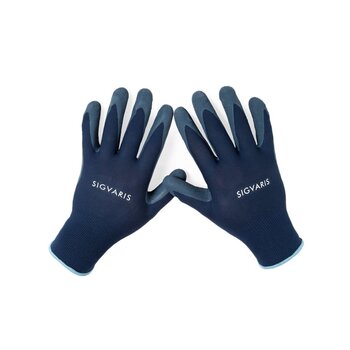
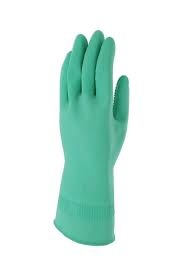
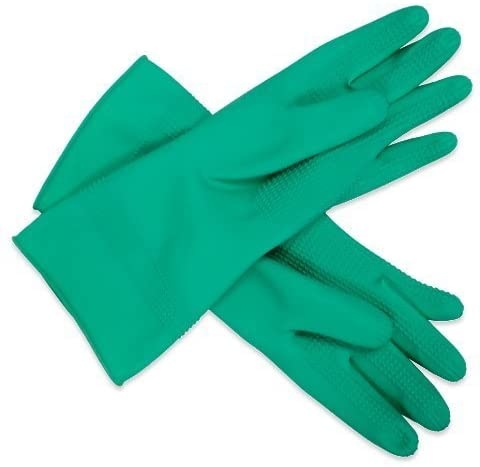
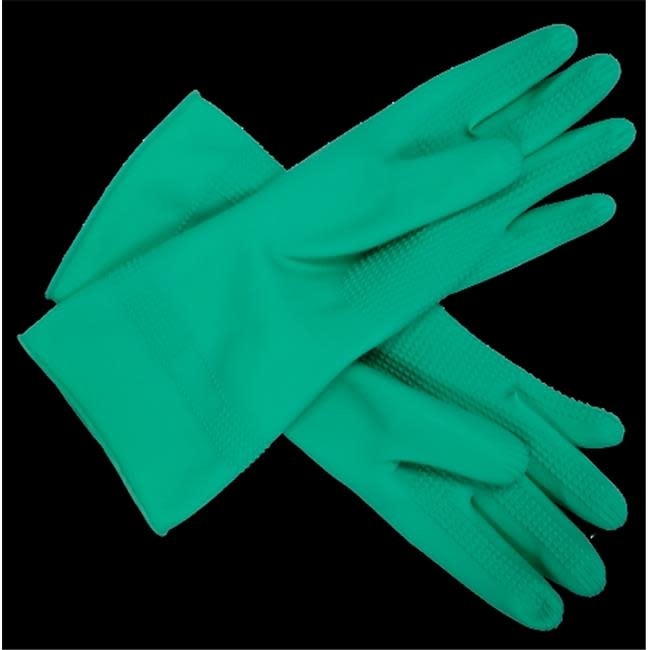
The textured rubber grip surface revolutionizes compression application through friction enhancement enabling users to grasp and manipulate compression fabric effectively—bare hands attempting compression application encounter smooth slippery fabric sliding through fingers rather than gripping, requiring excessive pulling force that either fails to advance garment or applies uneven tension creating fabric damage, runs, or improper compression distribution. The specialized rubber coating provides coefficient of friction dramatically higher than bare skin against compression fabric, enabling controlled fabric manipulation with minimal force through secure grip rather than desperate yanking and pulling that damages both garment and user's hands. This friction advantage proves particularly critical for higher compression levels (20-30, 30-40 mmHg) where fabric density and elastic tension create substantial resistance—users attempting application with bare hands experience hand fatigue, finger pain, skin abrasion, and frustration escalating with each failed attempt, whereas properly designed donning gloves transform the same application from impossible struggle to manageable task through simple physics of enhanced friction reducing required application force by 40-60% according to user studies.
The fabric protection function preserves compression garment investment and therapeutic longevity—quality medical compression stockings cost $40-120+ per pair, with prescribed users typically needing 3-7 pairs for proper rotation, representing $200-500+ investment that fingernails, jewelry, rough skin, or bare-hand desperation damage can destroy in single application attempt through runs, snags, fabric tears, or elastic overstretching that permanently compromises graduated compression integrity rendering expensive medical garments therapeutically useless. Donning gloves costing $10-20 protect hundreds or thousands of dollars in compression inventory while simultaneously making application possible for users who otherwise abandon compression entirely due to application frustration. The smooth rubber surface interfaces gently with delicate compression fabrics (especially sheer hosiery where runs visible and cosmetically unacceptable) preventing the fingernail punctures, jewelry snags, and rough callus abrasions that bare-hand application inevitably creates, particularly during the blind application phases where users cannot see contact points between hands and fabric while working compression up calves and thighs.
The reduced physical strain benefit addresses legitimate medical concern that compression application itself can cause musculoskeletal injury, cardiovascular stress, or dangerous exertion in vulnerable populations prescribed compression therapy—elderly patients with cardiac conditions, arthritis sufferers with hand pain, post-surgical patients with healing restrictions, individuals with obesity or limited flexibility cannot safely perform the forceful pulling, sustained gripping, prolonged bending, and repetitive straining that bare-hand compression application requires, creating paradox where medical device prescribed to protect health demands application process that threatens health through exertional injury or cardiovascular stress. Donning gloves reduce application force requirements and completion time, transforming compression from high-exertion activity to manageable daily task accessible to populations with physical limitations who need compression most.
The caregiver empowerment function recognizes that compression users often require application assistance from family members, home health aides, or facility staff lacking professional training, adequate strength, or proper technique for successful compression application—untrained caregivers attempting bare-hand compression application experience same frustrations, failures, and fabric damage as patients themselves, plus additional concerns about causing patient discomfort, injury, or circulation restriction through improper application technique. Donning gloves enable caregivers to safely and effectively assist with compression therapy, supporting home care and reducing institutionalization or professional service dependency that family compression assistance makes possible.
Key Features & Benefits
Textured Rubber Grip Surface
- High-friction coating for secure fabric control
- Enables manipulation with minimal force
- Reduces application effort by 40-60%
- Prevents fabric slipping during application
- Controlled gradual advancement of garment
- Eliminates desperate pulling and yanking
- Secure grip throughout entire application process
- Physics-based friction advantage vs. bare hands
Compression Fabric Protection
- Smooth rubber prevents fingernail punctures
- Eliminates jewelry snag risk
- Protects against rough skin abrasion
- Prevents fabric tears and elastic damage
- Preserves delicate sheer compression
- Maintains graduated compression integrity
- Protects $40-120+ per pair garment investment
- Extends compression lifespan significantly
Enhanced Application Control
- Precise fabric positioning capability
- Smooth wrinkle elimination
- Even compression distribution
- Proper graduated pressure placement
- Achieves therapeutic fit vs. sloppy application
- Heel positioning accuracy
- Top band placement control
- Professional-quality application at home
Reduced Physical Strain
- Minimizes hand and finger force requirements
- Reduces application time and exertion
- Decreases musculoskeletal stress
- Prevents hand fatigue and pain
- Accessible for arthritis sufferers
- Safe for cardiac patients (reduced exertion)
- Appropriate for post-surgical limitations
- Enables elderly independent application
Flexible Comfortable Design
- Full hand and finger mobility maintained
- Does not restrict natural hand movement
- Comfortable for entire application process
- Tactile feedback preserved
- Can feel fabric positioning through gloves
- Not overly thick or bulky
- Easy on/off for user convenience
- Suitable for repeated daily use
Durable Reusable Construction
- Long-lasting for daily compression application
- Withstands repeated use without degradation
- Cost-effective investment protecting expensive compression
- Quality construction for extended lifespan
- Replacement typically needed annually or less
- Far cheaper than replacing damaged compression
- One-time purchase supporting ongoing therapy
Latex-Free Options Available
- Accommodates latex allergies and sensitivities
- Safe for extended hand contact
- Appropriate for sensitive skin
- Hypoallergenic material options
- Healthcare-safe for all users
- (Verify specific product variant)
Universal Compression Compatibility
- Works with all compression types and brands
- Knee-high, thigh-high, pantyhose application
- Compression sleeves (arm, calf)
- All compression levels (15-20, 20-30, 30-40+ mmHg)
- Sheer and opaque fabrics
- Medical and athletic compression
- Open-toe and closed-toe garments
Caregiver-Friendly
- Enables family members to assist effectively
- Home health aide essential tool
- Facility staff application support
- Reduces professional assistance dependency
- Empowers untrained caregivers
- Safe patient assistance capability
- Reduces caregiver frustration and failure
Professional Healthcare Standard
- Recommended by compression manufacturers
- Used in medical facilities and clinics
- Taught in professional fitting training
- Supports proper compression application technique
- Sigvaris quality and expertise
- Medical device accessory standards
Critical Applications and Compliance Support
Essential for compression users with: ✓ Therapeutic 20-30 or 30-40 mmHg compression (firm/extra-firm) ✓ Arthritis limiting hand strength and dexterity ✓ Limited flexibility or mobility restrictions ✓ Obesity complicating leg access and application ✓ Post-surgical temporary limitations ✓ Elderly age-related strength and dexterity decline ✓ Chronic conditions requiring lifelong compression (lymphedema, CVI) ✓ Thigh-high or pantyhose application challenges ✓ Sheer compression where fabric damage visible ✓ Expensive premium compression requiring protection ✓ Application frustration causing non-compliance ✓ Caregiver-assisted compression application ✓ Previous compression damage from bare-hand application ✓ Hand pain or fatigue during application attempts ✓ Long fingernails or jewelry risking fabric damage ✓ Multiple daily compression changes (athletics, medical)
Compliance Transformation: Donning gloves directly address primary abandonment cause:
- Application Difficulty: Barrier removal enabling therapy
- Frustration Elimination: Transforms impossible to manageable
- Time Reduction: Faster application improving compliance
- Success Rate: Nearly 100% successful application vs. frequent failure
- Confidence Building: Users learn successful technique
- Independence Preservation: Reduces caregiver dependency
- Quality of Life: Daily routine vs. daily struggle
Compression Therapy Support:
- Higher Compression Accessible: 20-30, 30-40 mmHg manageable
- Proper Fit Achieved: Therapeutic efficacy through correct application
- Garment Longevity: Protected investment, reduced replacement costs
- Consistent Use: Reliable application enables daily compliance
- Therapeutic Benefit Realization: Actually receive prescribed treatment
- Healthcare Outcome Improvement: Compression actually worn delivers results
Population-Specific Applications:
Elderly Compression Users:
- Age-related hand strength decline accommodation
- Arthritis pain and limitation management
- Visual impairment application assistance (tactile feedback)
- Independence maintenance reducing caregiver burden
- Fixed-income compression investment protection
Post-Surgical Patients:
- Temporary mobility restrictions during healing
- DVT prevention compression critical but difficult
- Pain medication affecting coordination
- Surgical site protection from application strain
- Recovery period application support
Lymphedema Patients:
- Lifelong compression therapy sustainability
- Multiple daily changes (daytime/nighttime compression)
- High compression levels (30-40+ mmHg) required
- Expensive custom garment protection
- Chronic condition compliance essential
Caregiver-Assisted Application:
- Family members helping elderly parents
- Spouse assisting disabled partner
- Home health aides serving multiple patients
- Facility staff with heavy workload
- Professional caregivers preventing work injury
Athletic Compression Users:
- Multiple daily changes (training, competition, recovery)
- Performance compression protection
- Rapid application for time-constrained athletes
- Premium compression investment preservation
When Donning Gloves Particularly Critical:
- 20-30 mmHg or higher compression prescribed
- Thigh-high or pantyhose application
- Sheer compression with visible damage risk
- Physical limitations affecting application
- Previous compression abandonment from difficulty
- Caregiver assistance required or preferred
- Premium compression cost protection
- Daily compliance essential for health
When Less Critical:
- Light 8-15 mmHg compression only
- Knee-high short garments only
- Young, strong, flexible users
- Occasional recreational use
- (Still beneficial for garment protection)
Usage & Application
For Successful Compression Application and Garment Protection: Donning gloves are essential accessories for anyone wearing medical-grade compression, particularly therapeutic-strength compression (20-30, 30-40+ mmHg), thigh-high or pantyhose styles, or individuals with physical limitations affecting application capability.
Selecting Appropriate Donning Gloves
- Size Considerations:
- Gloves should fit snugly but comfortably
- Not too tight (restricts movement, uncomfortable)
- Not too loose (reduces grip effectiveness)
- Sizes typically S, M, L, XL
- Some products one-size-fits-most
- Measure hand circumference if sizing available
- Material Selection:
- Latex: Traditional material, excellent grip
- Latex-Free: Nitrile, vinyl, or synthetic rubber for allergies
- Verify: Check specific product material before purchase
- Consider: Any latex sensitivities or allergies
- Texture Preferences:
- Heavier texture: Maximum grip for difficult compression
- Finer texture: Gentler on delicate sheer fabrics
- Most products: Balanced texture suitable for all compression
Proper Donning Glove Technique
CRITICAL: Donning gloves are APPLICATION AIDS, not magic solutions. Proper technique still essential for successful compression application.
Basic Application with Donning Gloves:
- Preparation:
- Put on donning gloves on both hands
- Ensure gloves secure and comfortable
- Prepare compression garment (turned inside-out to heel if applicable)
- Sit comfortably with leg access
- Have any other aids ready (sock aid if used)
- Initial Garment Positioning:
- Gather compression fabric in gloved hands
- Insert foot into compression opening
- Position heel in heel pocket
- Gloves enable firm secure grip on fabric
- Gradual Advancement Technique:
- Grip fabric firmly with both gloved hands
- Pull upward with controlled even force
- Work garment up gradually (2-3 inches at a time)
- Gloves prevent fabric slipping back down
- Smooth wrinkles continuously
- Maintain even tension and distribution
- Critical Control Points:
- Ankle area: Ensure proper positioning
- Calf: Smooth any bunching or wrinkles
- Knee: Position correctly for knee-high termination
- Thigh: Continue gradual advancement for thigh-highs
- Top band: Final positioning and smoothing
- Glove Advantages During Application:
- Secure grip eliminates fabric slippage
- Controlled advancement vs. desperate pulling
- Even tension distribution prevents damage
- Wrinkle smoothing without fingernail punctures
- Precise positioning through enhanced control
- Reduced force and time requirements
Specific Compression Type Applications:
Knee-High Compression:
- Simplest application with donning gloves
- Focus on ankle positioning and calf smoothness
- Top band placement just below knee
- Typical application: 3-5 minutes with gloves vs. 10-15 barehand
Thigh-High Compression:
- Significantly easier with donning gloves
- Critical for proper silicone band positioning
- Prevents fabric damage during long pull
- Stand with support for final thigh advancement
- Application: 5-8 minutes with gloves vs. 20+ or impossible barehand
Pantyhose Compression:
- Most challenging application—gloves essential
- Both legs to knees first, then stand
- Gradual pull to thighs and waist
- Maternity panel positioning if applicable
- Application: 10-15 minutes with gloves vs. extremely difficult barehand
Compression Sleeves (Arm/Calf):
- Similar technique to stockings
- Gradual advancement with controlled grip
- Particularly helpful for arm sleeves
- Self-application manageable with gloves
Higher Compression Levels:
- 20-30 mmHg: Gloves highly beneficial, nearly essential
- 30-40 mmHg: Gloves absolutely essential for most users
- 40-50+ mmHg: Professional fitting plus gloves mandatory
- Firmer fabric requires enhanced grip advantage
Caregiver-Assisted Application:
- Preparation:
- Caregiver wears donning gloves
- Patient positioned comfortably (bed, chair)
- Clear communication about comfort and positioning
- Assisted Technique:
- Caregiver applies using same gradual technique
- Patient provides feedback about tightness, comfort
- Gentle but firm controlled advancement
- Careful attention to avoid excessive pulling
- Safety Considerations:
- Never force compression causing pain
- Watch for circulation concerns (color, temperature)
- Ensure patient comfort throughout
- Stop if any adverse symptoms
Common Mistakes to Avoid:
- Applying Without Gloves: Defeats entire purpose
- Rushing Application: Gradual technique essential
- Excessive Force: Gloves reduce force needed, don't pull excessively
- Ignoring Wrinkles: Smooth continuously during application
- Improper Positioning: Heel, knee, thigh bands matter for efficacy
- Skipping Breaks: If tired, pause and resume
- Wet Hands/Gloves: Ensure dry for maximum friction
Care and Maintenance
- After Each Use:
- Rinse gloves with cool water
- Remove any fabric fibers or debris
- Or wipe clean with damp cloth
- Air dry completely before storage
- Storage:
- Keep in cool, dry location
- Away from direct sunlight or heat
- Flat or hanging to maintain shape
- Away from sharp objects or edges
- With compression supplies for convenience
- Inspection:
- Check regularly for tears, holes, wear
- Verify grip surface still effective
- Replace if damaged or grip reduced
- Typical lifespan: 1-2 years with daily use
- Replacement Indicators:
- Visible tears or holes
- Grip surface worn smooth
- Rubber becoming sticky or deteriorating
- Less effective grip noticed
- Uncomfortable fit changes
Troubleshooting
- Gloves Too Slippery:
- May be wet—ensure completely dry
- Grip surface may be worn—replace gloves
- Wrong material for fabric type—try different texture
- Still Difficult Despite Gloves:
- Verify proper technique (gradual advancement)
- May need different glove texture (more aggressive grip)
- Consider additional aids (sock aid, application spray)
- May need professional fitting instruction
- Fabric Damage Still Occurring:
- Check for jewelry on hands—remove all
- Inspect gloves for tears or rough spots
- Verify gentle treatment (not excessive force)
- May need smoother texture gloves for sheer fabrics
- Hand Discomfort:
- Gloves may be wrong size—try different size
- May be latex sensitivity—try latex-free
- Taking breaks during long applications acceptable
WHEN TO SEEK PROFESSIONAL ASSISTANCE
Professional Fitting/Training:
- Unable to achieve successful application even with gloves
- Unsure about proper compression positioning
- Concerns about circulation or safety
- First-time therapeutic compression user
- Complex compression prescriptions
Medical Consultation:
- Compression causing pain or discomfort
- Circulation concerns (numbness, color changes)
- Skin breakdown or irritation
- Questioning compression appropriateness
- Condition changes affecting compression needs
Product Specifications
Design Specifications
- Product Type: Compression application aid gloves
- Material: Textured rubber coating (latex or latex-free variants)
- Design: Full-coverage hand and finger gloves
- Surface: Textured for enhanced grip friction
- Purpose: Compression stocking/sleeve application assistance
Available Variants
- Material Options: Latex and latex-free (verify specific product)
- Size Options: Varies by manufacturer (S, M, L, XL or one-size)
- Texture Options: Standard textured grip surface
- Color: Typically functional colors (white, beige, blue)
Compatibility
- Works With: All compression stockings, sleeves, garments
- Compression Levels: 15-20, 20-30, 30-40, 40-50+ mmHg
- Garment Types: Knee-high, thigh-high, pantyhose, sleeves
- Brands: Universal—works with all compression brands
- Fabrics: Sheer, opaque, microfiber, cotton, athletic
Quality and Manufacturing
- Brand: Sigvaris (compression therapy leader)
- Category: Compression accessory/application aid
- Quality: Medical device accessory standards
- Durability: Long-lasting with proper care
- Professional: Used in medical facilities
Care Requirements
- Cleaning: Rinse or wipe after use
- Drying: Air dry completely
- Storage: Cool, dry, away from heat and sharp objects
- Lifespan: 1-2 years typical with daily use
- Replacement: When grip worn or gloves damaged
Package Contents
- Pair of Sigvaris Donning Gloves (left and right)
- Care and usage instructions
- Application technique guidance
User Selection Criteria
Ideal Candidates
- All compression therapy users (regardless of compression level)
- Therapeutic 20-30, 30-40+ mmHg compression prescribed
- Thigh-high or pantyhose compression users
- Arthritis or hand strength limitations
- Elderly compression users with dexterity decline
- Post-surgical patients with temporary limitations
- Lymphedema patients requiring lifelong compression
- Caregivers assisting with compression application
- Individuals with obesity complicating application
- Sheer compression users protecting delicate fabric
- Premium compression protecting expensive investment
- Anyone experiencing application difficulty or frustration
- Previous compression abandonment from application barriers
- Athletes with multiple daily compression changes
- Anyone valuing compression garment longevity
Critical for Users Who:
- Prescribed therapeutic-strength compression
- Have physical limitations affecting hand function
- Require caregiver assistance with compression
- Use expensive premium compression requiring protection
- Experience application frustration threatening compliance
- Need consistent daily compression for health outcomes
Essential for:
- First-time compression users learning application
- Higher compression levels (20-30+ mmHg)
- Longer garments (thigh-high, pantyhose)
- Delicate sheer fabrics
- Anyone seriously committed to compression therapy
Universal Benefit:
- Even young, strong, flexible users benefit from:
- Faster application
- Better garment longevity
- More precise positioning
- Reduced frustration
- Protected compression investment